Self Indulgence Spending in China's Underwear Market
- 时间:
- 浏览:158
- 来源:CN Lingerie Hub
If you're keeping an eye on consumer trends in China, one thing’s crystal clear: people aren’t just buying underwear to cover up—they’re spending big on self-indulgence. From luxury fabrics to smart features, Chinese consumers are treating their undies like a form of personal wellness. And brands? They’re cashing in.
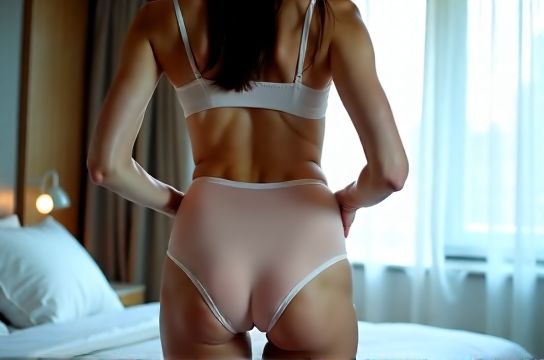
I’ve been tracking this shift for years—from local startups to global giants—and the data doesn’t lie. In 2023, China’s underwear market hit ¥145 billion (about $20 billion), with premium segments growing at nearly 18% year-on-year. That’s double the pace of mass-market lines. Why? Because today’s buyers—especially urban millennials and Gen Z—see lingerie and men’s basics as part of their self-care routine.
Take comfort-tech fabrics. Brands like NEIWAI (内外) and Ubras are pushing modal, bamboo fiber, and even temperature-regulating materials. These aren’t just buzzwords—they translate to real sales. Check this out:
Top Materials Driving Premium Sales (2023)
| Material | Market Share (%) | Avg. Price (RMB) | Growth (YoY) |
|---|---|---|---|
| Modal/Bamboo | 32% | 198 | +21% |
| Microfiber | 25% | 145 | +12% |
| Cotton Blends | 38% | 120 | +8% |
| Smart Fabric* | 5% | 350 | +45% |
*Includes moisture-wicking, anti-odor, and posture-support tech
Notice how smart fabric holds just 5% share but is exploding at 45% growth? That’s the self-indulgence effect—people pay more for features that make them *feel* better. One survey found 68% of women aged 20–35 would spend extra for bras that reduce back pain or improve posture.
And it’s not just women. Men’s premium underwear is quietly booming. Brands like Sensualee and Aimer Men are selling seamless boxer-briefs for over ¥200—way above Uniqlo’s ¥79 basics. Why? Comfort, fit, and social proof. TikTok reviews and KOL unboxings are turning undies into viral lifestyle products.
So what’s the takeaway? If you’re entering this market—or trying to sell into it—stop thinking of underwear as commodity. Position it as personal indulgence, highlight material innovation, and speak directly to emotional benefits: confidence, comfort, and well-being.
The bottom line? Chinese consumers aren’t just changing clothes—they’re investing in how they feel from the skin up.