Microplastic Reduction Through Natural Fiber Use
- 时间:
- 浏览:161
- 来源:CN Lingerie Hub
If you're like me—someone who’s deep into sustainable living—you’ve probably heard the scary truth: microplastics are everywhere. From our oceans to our tap water, even in human blood. And a major culprit? Synthetic textiles. Every time we wash polyester clothes, thousands of microfibers shed into wastewater. The solution? Switching to natural fiber alternatives.
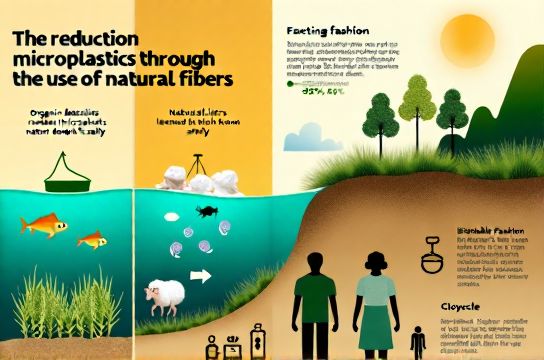
Why Natural Fibers Beat Synthetics
Synthetics like polyester, nylon, and acrylic make up about 60% of global fiber production (Textile Exchange, 2023). But here's the kicker: a single laundry load can release up to 700,000 microplastic fibers (Browne et al., 2011). These tiny plastics don’t break down—they accumulate.
Natural fibers—think cotton, wool, hemp, and linen—are biodegradable and shed non-toxic particles. Sure, they have environmental costs too (like water use), but when it comes to microplastic pollution, they’re a clear winner.
Breaking Down the Impact: Natural vs. Synthetic Fibers
Let’s get real with some data:
| Fiber Type | Microfiber Shed per Wash (avg.) | Biodegradability | Carbon Footprint (kg CO₂/kg fiber) |
|---|---|---|---|
| Polyester | 700,000 | No | 5.5 |
| Nylon | 600,000 | No | 6.4 |
| Cotton (conventional) | 0 | Yes | 2.3 |
| Hemp | 0 | Yes | 0.7 |
| Linen | 0 | Yes | 0.9 |
Source: Textile Exchange & Higg Material Sustainability Index
As you can see, natural fibers win hands-down on shedding and decomposition. Even better? hemp and linen have ultra-low carbon footprints thanks to minimal chemical processing and high yield per acre.
Practical Tips to Reduce Microplastic Release
- Wash less often: Most clothes don’t need washing after one wear. Air them out instead.
- Use a Guppyfriend bag or Cora Ball: These capture microfibers during washing—up to 80% effective.
- Choose natural blends wisely: Even 50% polyester means shedding. Opt for 100% natural when possible.
- Support brands using organic cotton or TENCEL™: While TENCEL™ is semi-synthetic (lyocell), it’s derived from wood pulp and fully biodegradable.
The Bottom Line
Reducing microplastic pollution starts in your closet. By choosing natural fibers, you’re not just making a personal health choice—you’re voting for cleaner oceans and safer ecosystems. It’s one of the most impactful, low-effort sustainability switches you can make.
So next time you’re shopping, ask: Will this turn into plastic waste? If the answer’s yes, skip it. Your planet—and future self—will thank you.