Innovative Bio Based Fabrics Redefining Comfort
- 时间:
- 浏览:293
- 来源:CN Lingerie Hub
If you're into sustainable fashion or just care about what you wear, you’ve probably heard whispers about bio based fabrics. But let’s be real—most of us don’t know what that really means or why it matters. As someone who’s tested everything from bamboo to lab-grown cotton substitutes, I’m here to break down which bio based fabrics are actually worth the hype—and which ones are just greenwashing fluff.
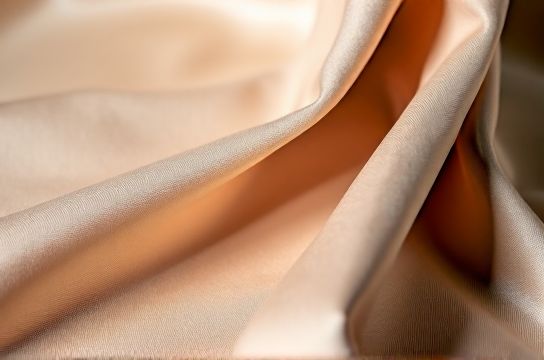
Why Bio Based Fabrics Are the Future
Traditional textiles like polyester are made from fossil fuels and can take over 200 years to decompose. Meanwhile, bio based fabrics come from renewable sources—think plants, microbes, even food waste. They’re not just eco-friendly; many are softer, more breathable, and surprisingly durable.
According to a 2023 report by Textile Exchange, the global market for bio based fibers is growing at 14% annually. Brands like Patagonia and Stella McCartney are already using them. So if you're still shopping conventional synthetics, you're behind the curve.
Top 4 Bio Based Fabrics You Should Know
Let’s cut through the noise and look at the real players in the space:
| Fabric | Source | Biodegradable? | CO₂ Savings vs. Polyester | Best For |
|---|---|---|---|---|
| Tencel™ (Lyocell) | Wood pulp (eucalyptus) | Yes | 60% | Everyday wear, sleepwear |
| Pineapple Leather (Piñatex) | Pineapple leaf fibers | Limited (due to coating) | 55% | Bags, shoes, accessories |
| Mirum® | Plant oils, clay, cork | Yes | 70% | Luxury footwear, jackets |
| Bio-Polyester (e.g., Sorona®) | Corn glucose | No | 37% | Activewear, outerwear |
As you can see, not all bio based materials are created equal. Tencel leads in comfort and sustainability, while Mirum® is pushing boundaries in circular design. Piñatex is great for vegans ditching leather, but watch out for plastic coatings that reduce compostability.
Real Talk: The Challenges
Don’t get me wrong—these fabrics aren’t perfect. Scaling production remains tough, and prices are still high. A Tencel shirt can cost $50+, compared to $20 for a cotton-poly blend. But as demand grows, costs are dropping fast. Plus, investing in quality pieces means fewer replacements and less waste long-term.
How to Spot Greenwashing
Just because a label says “plant-based” doesn’t mean it’s fully sustainable. Look for certifications like OEKO-TEX®, FSC, or Cradle to Cradle. And always check the full material breakdown—some brands mix just 10% bio fiber with 90% plastic and call it ‘eco-friendly.’ Sneaky, right?
If you're serious about making smarter choices, start by exploring brands using verified bio based textiles. Your skin—and the planet—will thank you.