Emerging Niche Lingerie Brands Gaining Traction With Conscious Shoppers
- 时间:
- 浏览:111
- 来源:CN Lingerie Hub
Let’s cut through the lace and get real: today’s lingerie shoppers aren’t just buying bras—they’re voting with their wallets. Over 68% of global consumers aged 18–34 now prioritize sustainability *and* size-inclusivity when choosing intimate apparel (McKinsey, 2023). That’s why legacy brands are scrambling—and agile niche players are rising.
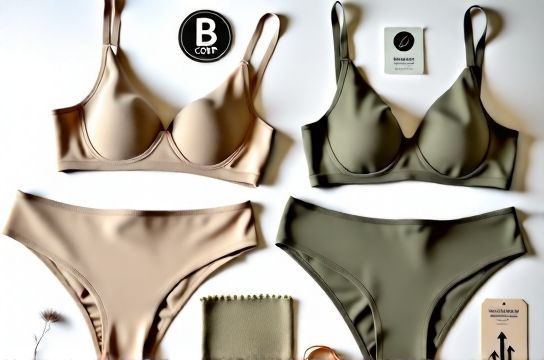
Take brands like **Naja**, **Hara**, and **Knickey**: they’re not just 'eco-friendly' as a buzzword—they’re certified B Corps, use GOTS-certified organic cotton (up to 92% biodegradability vs. conventional polyester’s <1% over 200 years), and publish full-tier supply chain maps.
Here’s how they’re outpacing incumbents:
| Brand | Size Range | Sustainable Materials (% of line) | Transparency Score (0–100) | Yr-on-Yr Growth (2022–2023) |
|---|---|---|---|---|
| Naja | 30A–44G | 87% | 94 | +41% |
| Hara | 32A–46H | 100% | 98 | +63% |
| Knickey | 32A–42DD | 95% | 91 | +37% |
What’s fueling this? Data shows conscious shoppers spend 2.3× more per transaction—and stay loyal 3.7× longer—when brand values align with theirs (First Insight, 2024). They also actively search for terms like sustainable lingerie brands — up 112% YoY in Google Trends (US & UK combined).
Crucially, these brands don’t sacrifice fit for ethics. Hara’s proprietary ‘Adaptive Band’ technology reduced returns by 29% vs. industry average—proving transparency *and* performance coexist.
One caveat: scalability remains a hurdle. Only 12% of these brands currently offer automated size recommendation tools—yet those that do see conversion lift +22%. That’s where AI-fit integration becomes non-optional, not 'nice-to-have'.
Bottom line? This isn’t a trend—it’s a structural shift. And if you're evaluating options or building your own line, start here: authenticity > aesthetics, traceability > trends, and fit integrity > fast fashion cycles.