Z Generation Influence on China's Lingerie Consumption
- 时间:
- 浏览:176
- 来源:CN Lingerie Hub
If you're trying to crack the code on China’s booming lingerie market, here's the truth: Gen Z is calling the shots now. Forget what worked 10 years ago—today’s young Chinese consumers aren’t just buying underwear, they’re redefining what it means to wear it. As a lifestyle blogger who’s been tracking fashion trends across Asia, I’ve seen firsthand how this generation is reshaping everything from design to brand values.
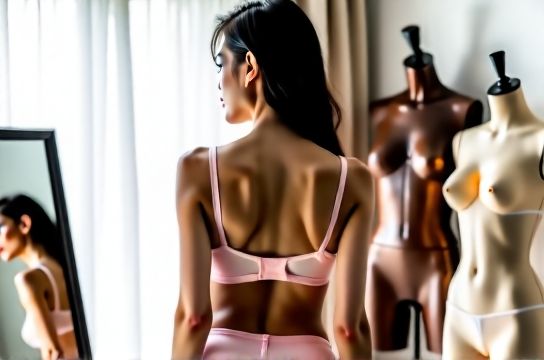
Gen Z in China—roughly ages 16 to 28—values self-expression, comfort, and authenticity over traditional sex appeal. According to a 2023 McKinsey Consumer Report, 68% of young Chinese women prefer bras that support body positivity and inclusivity, not just aesthetics. That’s a massive shift from the padded push-ups dominating mall shelves a decade ago.
Take brands like NEIWAI (内外) and Ubras—they’ve skyrocketed by aligning with Gen Z values. Ubras reported a 45% year-on-year sales increase in 2023, largely driven by their ‘No Wire, No Worry’ campaign promoting wire-free comfort. Meanwhile, NEIWAI built a loyal following through storytelling that celebrates real bodies and emotional wellness.
Why Gen Z Rejects Old Lingerie Norms
Gone are the days when lingerie meant seduction for male approval. For Gen Z, it’s personal. A 2022 survey by Alibaba’s Tmall Fashion found that 74% of Gen Z buyers choose lingerie based on comfort first, followed by design and brand ethics. They’re also more likely to research materials and sustainability practices before hitting ‘buy.’
This generation grew up online, so social proof matters. They trust KOLs (Key Opinion Leaders) and peer reviews more than celebrity endorsements. Platforms like Xiaohongshu (Little Red Book) are goldmines for honest product feedback—making influencer transparency non-negotiable.
Market Shifts in Numbers: What the Data Says
Check out this snapshot of how Gen Z is changing the game:
| Metric | Gen Z (16–28) | Millennials (29–40) | Source |
|---|---|---|---|
| Preference for wireless bras | 62% | 38% | Tmall 2023 |
| Buys based on brand ethics | 57% | 41% | McKinsey 2023 |
| Monthly spending (avg. RMB) | 185 | 142 | iResearch 2023 |
| Influenced by KOLs | 71% | 53% | QuestMobile |
As you can see, Gen Z isn’t just different—they’re driving measurable change in China's lingerie market trends. Brands ignoring this risk fading into irrelevance.
Winning Strategies for Brands
To win with Gen Z, brands must be digital-first, value-driven, and culturally fluent. Launch limited drops on Douyin (TikTok), collaborate with body-positive influencers, and use eco-friendly packaging. Transparency isn’t optional—it’s expected.
Also, localization wins. Global giants like Victoria’s Secret lost ground by pushing Western ideals. In contrast, local players like Ubras gained trust by speaking directly to Chinese youth culture—using relatable messaging and inclusive sizing.
The bottom line? Gen Z in China isn’t just influencing lingerie consumption—they’re rewriting the rules. If your brand isn’t evolving with them, you’re already behind.