Self-Care Consumption Driving Lingerie Innovation China
- 时间:
- 浏览:144
- 来源:CN Lingerie Hub
If you're even slightly tuned into the global fashion pulse, you’ve probably noticed how self-care consumption is reshaping industries — especially in China. And nowhere is this shift more evident than in the booming lingerie market. Forget outdated notions of function-only underwear; today’s Chinese consumers want style, comfort, and emotional value — all wrapped in one silky package.
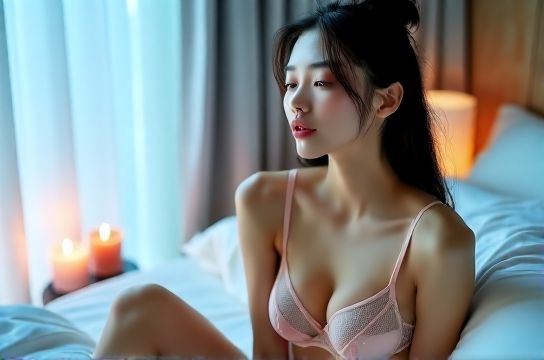
As a lifestyle blogger who’s been tracking Asia’s retail evolution for years, I’ve seen firsthand how rising disposable incomes and greater body positivity are fueling demand for premium intimate apparel. In fact, according to Euromonitor, China’s lingerie market hit $15.8 billion in 2023, with an annual growth rate of 7.3% — outpacing many other apparel segments.
What’s driving this? Simple: self-care isn’t just about skincare or meditation anymore. It’s about how clothing makes you *feel*. Women are increasingly treating themselves to high-quality bras, sets, and loungewear as part of daily empowerment — not just special occasions.
Let’s break down some key trends shaping the future of lingerie in China:
Rise of Domestic Brands & Tech Integration
While international names like Victoria’s Secret once dominated, local players such as NEIWAI (Inside Out) and Ubras are now leading the charge. These brands focus on minimal design, breathable fabrics, and inclusivity — values that resonate deeply with younger shoppers.
Ubras, for example, reported over ¥1.5 billion in GMV during Singles’ Day 2023, largely driven by their zero-wire bra line. Their secret? Combining ergonomic research with digital marketing savvy.
| Brand | 2023 Revenue (USD) | Key Product | Target Age Group |
|---|---|---|---|
| Ubras | $210M | Wireless Bra | 18–35 |
| NEIWAI | $180M | Cotton Modal Sets | 25–40 |
| Victoria’s Secret (China) | $95M | Fashion Bras | 20–30 |
| Paul Frank (Lingerie Line) | $40M | Casual Lounge Wear | 18–28 |
Notice anything? The top performers prioritize comfort and everyday wearability — a direct reflection of shifting self-care consumption habits.
Social Commerce & KOL Influence
No discussion about modern China is complete without mentioning livestreaming. Platforms like Xiaohongshu and Douyin have turned lingerie shopping into an interactive experience. Top KOLs don’t just show products — they share personal stories about confidence, fit struggles, and self-love.
This emotional connection boosts trust and conversion. A recent report found that 68% of women aged 18–30 discovered new lingerie brands through short-video reviews.
For brands, success now hinges on authenticity. That’s why companies invest heavily in user-generated content and real-body modeling campaigns — moving away from airbrushed perfection.
What This Means for Global Brands
If you're eyeing the Chinese market, copying Western strategies won't cut it. Localization is key. Offer inclusive sizing, leverage social commerce, and align your messaging with the growing emphasis on mental well-being and personal wellness trends.
In short: the future of lingerie in China isn’t just about what you wear — it’s about how it makes you feel. And right now, feeling good sells.