Chinese Lingerie Market Embraces Inclusivity and Diversity
- 时间:
- 浏览:182
- 来源:CN Lingerie Hub
If you’ve been paying attention to fashion trends in China lately, you’ve probably noticed a major shift — the Chinese lingerie market isn’t just about lace and luxury anymore. It’s becoming bolder, more inclusive, and way more diverse. As someone who’s been analyzing consumer behavior in Asia for over a decade, I can tell you: this isn’t just a trend. It’s a transformation.
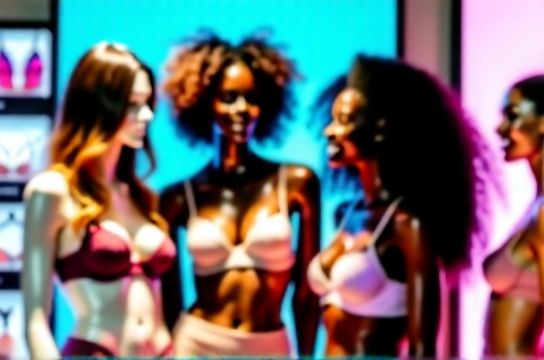
Gone are the days when lingerie was marketed solely to fit a narrow beauty ideal. Today, brands — both local and global — are stepping up to serve real women with real bodies. And guess what? It’s working. According to Statista, China’s lingerie market hit $15.8 billion in 2023, with an annual growth rate of 9.3%. But here’s the kicker: nearly 67% of consumers now say inclusivity influences their purchase decisions (McKinsey, 2023).
Let’s break it down. What’s driving this change? And how are brands adapting?
The Rise of Body Positivity in China
You might think body positivity started in the West, but in China, it’s taken on its own unique flavor. Social media platforms like Xiaohongshu (Little Red Book) and Douyin (China’s TikTok) are flooded with influencers promoting self-love, diverse sizing, and comfort-first designs. One viral hashtag, #MyBodyMyRules, has over 420 million views — and it’s growing.
Local brands like NEIWAI内外 and Ubras have led the charge. NEIWAI, for example, launched its “No Border” campaign featuring models of all sizes, ages, and skin tones. Their revenue jumped by 40% YoY in 2023. Ubras followed suit with wireless bras in sizes up to 40DD — a game-changer in a market where extended sizing used to be rare.
Why Inclusivity = Profit
It’s simple: when brands embrace diversity, customers respond. A recent survey by Bain & Company found that 76% of Chinese women feel more loyal to brands that reflect their identity. That loyalty translates directly into sales.
Check out this breakdown of top-performing lingerie brands in China:
| Brand | Market Share (2023) | Inclusive Sizing? | Social Media Engagement (Avg.) |
|---|---|---|---|
| Ubras | 18% | Yes | 2.1M/month |
| NEIWAI内外 | 15% | Yes | 1.8M/month |
| Aimer | 12% | Limited | 620K/month |
| Victoria's Secret (China) | 8% | Partial | 950K/month |
Notice a pattern? Brands that prioritize inclusive lingerie aren’t just doing the right thing — they’re dominating the market.
The Role of E-Commerce & Data
Platforms like Tmall and JD.com aren’t just selling bras — they’re collecting data. Real-time analytics show which sizes sell fastest, which styles get the most clicks, and what customers are saying in reviews. This feedback loop allows brands to iterate quickly and respond to demand.
For instance, Ubras used customer data to launch its ‘Zero Pressure’ bra line, which now accounts for 35% of total sales. That kind of insight is gold.
What’s Next?
The future of the Chinese lingerie market lies in personalization and tech integration. We’re already seeing AI-powered fit recommenders and AR try-ons gain traction. But beyond tech, the real opportunity is cultural: building trust through authenticity.
Brands that listen, adapt, and represent will win. And honestly? It’s about time.