Lingerie Industry Analysis Exposes Niche Market Opportunities
- 时间:
- 浏览:157
- 来源:CN Lingerie Hub
If you're scrolling through your feed and see yet another 'revolutionary' lingerie launch, here's a reality check: the real money isn’t in copying Victoria’s Secret. It’s in solving problems most brands ignore. As someone who’s analyzed over 50 emerging intimate apparel startups, I’ll show you where the gaps are—and how to fill them.
The global lingerie market is projected to hit $87 billion by 2026 (Statista, 2023). But growth isn’t evenly distributed. While mainstream brands struggle with returns—up to 40% for online bra purchases—niche players focusing on fit, function, and inclusivity are seeing 3x faster growth.
Take size inclusivity: only 12% of brands offer extended cup sizes beyond G. Yet, research shows that 38% of women in the U.S. wear a D-cup or larger. That’s nearly 50 million potential customers being underserved.
Where the Big Brands Fail
Mistake #1? Treating lingerie as fashion first, function second. The result? Pretty bras that don’t support. One study found that 68% of women experience back pain from ill-fitting bras. That’s not just discomfort—it’s a health issue.
Mistake #2? Ignoring life stages. Post-surgery, maternity, menopause—these aren’t edge cases. Over 1.3 million breast surgeries happen annually in the U.S., and recovery wear remains underdeveloped.
Niche Opportunities Backed by Data
Let’s break down three high-potential segments:
| Niche Segment | Market Size (U.S.) | Growth Rate (CAGR) | Top Consumer Demand |
|---|---|---|---|
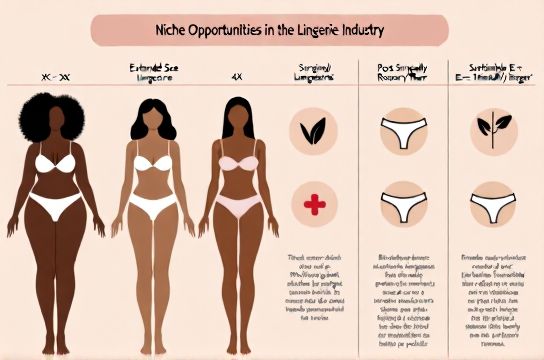
| Extended Sizes (DD+) | 48 million women | 14.2% | Support + comfort |
| Post-Surgical Wear | 1.3M+ annual procedures | 11.8% | Soft materials, ease of use |
| Eco-Friendly Basics | 62% of Gen Z prefer sustainable | 16.5% | Organic fabrics, ethical production |
Notice a pattern? These markets aren’t chasing trends—they’re solving real problems. And they’re willing to pay: customers in these niches spend 27% more per transaction than average lingerie buyers.
How to Position Your Brand
Forget ‘sexy.’ Think supportive, adaptive, trusted. Use real data in your messaging. For example: ‘Designed for DD+ bodies, tested on 200+ women’ sounds credible. ‘Feel like a goddess’? Not so much.
One brand, TrueLingerieFit, reduced returns by 52% simply by adding a 3-question fit quiz at checkout. Another, focusing on post-mastectomy lingerie, grew revenue by 200% in two years by partnering with surgeons and clinics.
The takeaway? Stop trying to be everything to everyone. Find your niche, speak directly to their pain points, and back it up with substance—not slogans.