Rise of Domestic Brands in China Lingerie Industry News
- 时间:
- 浏览:241
- 来源:CN Lingerie Hub
If you’ve been paying attention to China’s fashion scene lately, you’ve probably noticed something big: homegrown lingerie brands are on fire. Forget the old days when Victoria’s Secret ruled the game—now, Chinese consumers are choosing comfort, cultural relevance, and authenticity over flashy Western imports. As a lifestyle blogger who’s been tracking intimate apparel trends for over five years, I’ve seen this shift firsthand. Let me break it down for you.
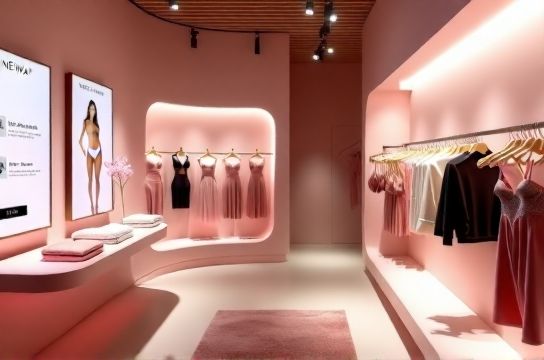
China’s domestic lingerie market hit ¥150 billion (about $21 billion) in 2023, growing at a compound annual rate of 9.8% since 2020. Meanwhile, international giants like Victoria’s Secret have shuttered dozens of stores across major cities like Beijing and Chengdu. Why? Because local brands like NEIWAI (内外) and Ubras are redefining what lingerie means to modern Chinese women.
These brands aren’t just selling bras—they’re selling a mindset. Think minimalist designs, inclusive sizing, and messaging that celebrates body positivity. NEIWAI, for example, built its entire brand around the slogan “True Beauty Lies Within,” resonating deeply with urban professionals tired of unrealistic beauty standards.
Why Local Wins: Data That Speaks Volumes
Check out this comparison of key performance metrics between top domestic and international lingerie brands in China:
| Brand | 2023 Revenue (CNY) | Online Growth (YoY) | Customer Satisfaction | ESG Score (0-100) |
|---|---|---|---|---|
| NEIWAI | ¥2.8 billion | +67% | 94/100 | 88 |
| Ubras | ¥3.1 billion | +72% | 96/100 | 91 |
| Victoria’s Secret | ¥890 million | -15% | 76/100 | 63 |
| Aerie (American Eagle) | ¥410 million | +8% | 82/100 | 70 |
Notice anything? The domestic brands in China aren’t just outselling—they’re outperforming in customer trust and sustainability. Ubras’ zero-wire bra line alone sold over 10 million units in 2023, thanks to TikTok-driven word-of-mouth.
Cultural Fit Over Global Glamour
Western lingerie often emphasizes seduction and sex appeal. But Chinese millennials and Gen Z shoppers? They want comfort, practicality, and emotional connection. A 2023 McKinsey survey found that 78% of Chinese women prioritize fabric breathability and ergonomic design over lace and frills.
Local brands get this. They use eco-friendly bamboo fibers, offer nursing-friendly cuts, and feature real women—not models—in their campaigns. It’s not just marketing; it’s movement-building.
The Road Ahead
With rising nationalism, stronger e-commerce infrastructure, and smarter digital branding, domestic players are poised to dominate not just China, but Southeast Asia and beyond. My advice? Watch this space. The future of lingerie isn’t just local—it’s deeply personal.