Customization Trends in the Chinese Lingerie Market
- 时间:
- 浏览:127
- 来源:CN Lingerie Hub
In recent years, the Chinese lingerie market has undergone a quiet revolution—driven not by global giants, but by local consumers demanding more personalization, comfort, and cultural relevance. No longer satisfied with one-size-fits-all imports, Chinese women are reshaping the industry from within. At the heart of this transformation? customization.
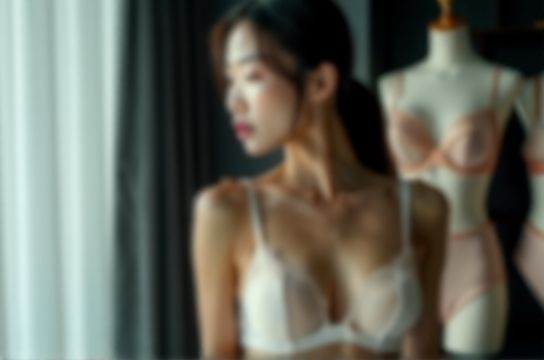
According to Statista, China’s lingerie market was valued at over $18 billion in 2023, with a projected CAGR of 7.2% through 2028. What’s fueling this growth isn’t just rising disposable incomes—it’s the shift toward individual expression. A 2023 McKinsey report found that 68% of urban Chinese female consumers prefer brands offering personalized fit options, up from 49% in 2020.
Take Ubras, a homegrown brand that skyrocketed to fame with its ‘zero-feeling’ wireless bras tailored for Asian body types. By leveraging big data from e-commerce platforms like Tmall and JD.com, Ubras analyzes regional sizing trends and feedback loops to refine designs in real time. The result? A product line that feels less like mass production and more like a bespoke experience.
But customization goes beyond fit. It's about aesthetics, lifestyle alignment, and even emotional resonance. Brands like NEIWAI (meaning 'inner & outer') have mastered the art of blending minimalist design with localized messaging—promoting self-love and body positivity in a culture where such topics were once taboo.
Why Customization Wins in China
The answer lies in digital maturity and consumer psychology. With over 1.05 billion internet users, China’s shoppers are hyper-connected and highly influenced by social media, KOLs (Key Opinion Leaders), and user-generated content. When a popular livestream host on Douyin tries on a customizable bra set that adapts to her body shape, millions take note—and buy.
Moreover, traditional Western sizing doesn’t translate well. Studies show that the average Chinese woman has a smaller ribcage and different breast positioning compared to her Western counterpart. Off-the-rack solutions often fail, creating discomfort and dissatisfaction. Enter made-to-measure and modular lingerie.
Data-Driven Design: The New Norm
Below is a snapshot of how top Chinese lingerie brands are integrating customization into their business models:
| Brand | Customization Feature | Market Share (2023) | Online Engagement Score* |
|---|---|---|---|
| Ubras | AI-powered fit recommendations | 18% | 9.2/10 |
| NEIWAI | Modular sets (mix & match cups/bands) | 14% | 8.7/10 |
| Curvy Mei | Bespoke measurements for fuller busts | 9% | 8.5/10 |
| Triumph China | Limited custom embroidery | 7% | 7.3/10 |
*Based on social mentions, review sentiment, and click-through rates across major platforms (Tmall, Xiaohongshu, Douyin).
As the table shows, brands embracing deeper levels of personalized lingerie innovation are capturing both mindshare and market share. Even international players like Victoria’s Secret are now adapting—launching ‘China-only’ lines with softer fabrics and inclusive sizing.
The future? Think AI body scanning via smartphone apps, 3D-printed lace, and subscription boxes that evolve with your body changes. The message is clear: in China, lingerie isn’t just intimate apparel—it’s identity.
For brands willing to listen, adapt, and co-create with consumers, the opportunity is immense. In a market where individuality is the new luxury, customization isn’t a trend—it’s the foundation.