Chinese Lingerie Exports Market Global Impact
- 时间:
- 浏览:168
- 来源:CN Lingerie Hub
When it comes to the global lingerie market, one name quietly dominates behind the seams — China. From delicate lace bras in Parisian boutiques to trendy wireless sets on Amazon, a huge chunk traces back to Chinese manufacturing. But how did China become the world’s go-to for lingerie exports? And what does this mean for global fashion, trade, and quality standards?
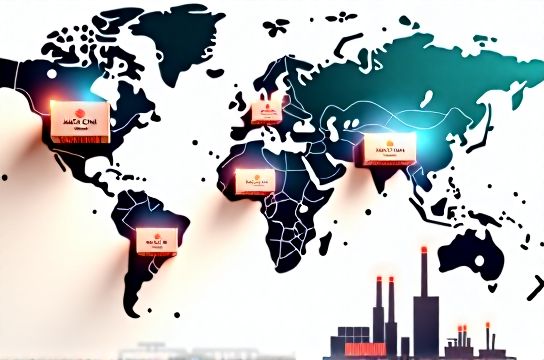
The answer lies in a mix of cost efficiency, advanced production tech, and strategic global partnerships. Over the past decade, Chinese lingerie exports have surged, hitting over $14.2 billion in 2023 — a 6.8% year-on-year increase (Source: China Customs Statistics). That’s more than a quarter of the entire global lingerie export value.
Why the World Loves Chinese-Made Lingerie
Let’s be real — nobody wants to pay $100 for a bra unless it's from Victoria’s Secret or Agent Provocateur. Most consumers want style, comfort, and affordability — and that’s where Chinese lingerie exports shine.
- Competitive pricing: Labor and production costs in China remain lower than in Europe or North America.
- Fast turnaround: Factories can go from design sketch to shipping container in under 4 weeks.
- Material innovation: Many Chinese mills now produce eco-friendly microfiber and recycled lace.
Top Markets Buying Chinese Lingerie
Where is all this lingerie going? Here’s a breakdown of the top importers:
| Country | Import Value (2023) | Share of Total |
|---|---|---|
| United States | $4.1 billion | 28.9% |
| Germany | $1.3 billion | 9.1% |
| Japan | $980 million | 6.9% |
| UK | $870 million | 6.1% |
| Australia | $520 million | 3.7% |
As you can see, the U.S. leads by a wide margin — thanks to major fast-fashion retailers and e-commerce platforms sourcing directly from Guangdong and Zhejiang factories.
Quality: Myth vs Reality
There’s a common myth that “cheap = low quality.” Not anymore. Top-tier Chinese manufacturers now supply private-label lines for European brands that retail at premium prices. In fact, a 2023 audit by SGS showed that 89% of inspected Chinese lingerie exporters met EU textile safety standards.
What’s changed? Automation. Modern factories use AI-powered cutting machines and robotic sewing arms to ensure precision. This means fewer defects and consistent sizing — something even some Western brands struggle with.
The Rise of Domestic Brands Going Global
It’s not just contract manufacturing. Homegrown Chinese brands like NEIWAI (内外) and Ubras are making waves internationally. Ubras, known for its “no-hook” bras, expanded into Southeast Asia and the Middle East in 2022 and saw overseas sales grow by 140% last year.
This shift shows that Lingerie Exports from China aren’t just about quantity — they’re becoming synonymous with innovation and inclusive sizing.
Challenges Ahead
Of course, it’s not all smooth stitching. Rising labor costs, environmental regulations, and global trade tensions pose risks. Some brands are exploring Vietnam or Bangladesh as alternatives. But China’s integrated supply chain — from fabric dyeing to packaging — remains unmatched.
Plus, with the Belt and Road Initiative opening new trade routes, Chinese lingerie is reaching emerging markets in Central Asia and Africa faster than ever.
Final Thoughts
Whether you're a retailer, designer, or conscious consumer, understanding the impact of Chinese lingerie exports is key. It’s not just about what we wear — it’s about how global trade shapes fashion, economies, and even body positivity.
So next time you slip into a comfy bra, take a peek at the label. Chances are, it traveled thousands of miles — straight from China.