Social Media Influence on Chinese Lingerie Sales
- 时间:
- 浏览:136
- 来源:CN Lingerie Hub
In today’s digital-first China, social media isn’t just for selfies and memes—it’s reshaping entire industries. Nowhere is this more evident than in the booming lingerie market, where platforms like Xiaohongshu (Little Red Book), Douyin (TikTok), and WeChat are turning intimate apparel into a viral sensation. Forget traditional ads—Chinese consumers now discover, review, and buy bras and underwear through influencer try-ons, live streams, and user-generated content.
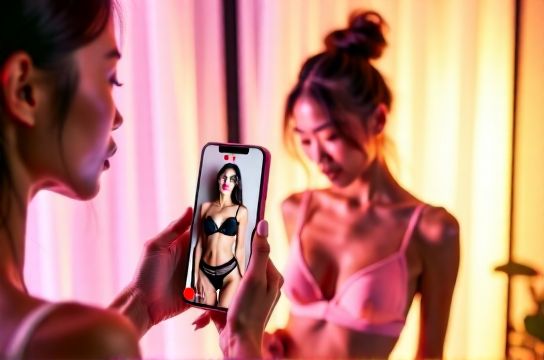
Take this stat: In 2023, over 68% of lingerie purchases in China were influenced by social media content, according to a report by iiMedia Research. That’s up from just 41% in 2020. Why? Because young Chinese women—especially Gen Z—are rejecting outdated taboos around lingerie and embracing body positivity, self-expression, and comfort. And social media is their megaphone.
Brands like NEIWAI (内外) and Ubras have mastered this shift. NEIWAI built its empire not through billboards but through relatable storytelling. Their campaigns focus on real bodies, mental wellness, and gender equality—topics that resonate deeply with modern female audiences. On Xiaohongshu, #NEIWAI has over 1.2 million posts, many from everyday users sharing honest reviews and styling tips.
Meanwhile, Ubras skyrocketed to fame with its ‘no-wire’ bra launches promoted via key opinion leaders (KOLs) on Douyin. In one 2022 campaign, a single live-stream sold over 50,000 units in under two hours. That’s the power of trust-driven marketing.
The Data Behind the Hype
To understand just how deep this influence runs, check out the table below:
| Year | Social Media Influenced Sales (%) | Market Size (RMB Billion) | Top Platforms |
|---|---|---|---|
| 2020 | 41% | 125 | WeChat, Taobao Live |
| 2021 | 52% | 148 | Xiaohongshu, Douyin |
| 2022 | 61% | 173 | Douyin, Kuaishou |
| 2023 | 68% | 195 | Xiaohongshu, Douyin, Weibo |
As you can see, the trend is clear: more engagement, bigger sales. But it’s not just about reach—it’s about relevance. Consumers want authenticity. They follow micro-influencers with 10K followers who post unfiltered bathroom mirror shots, not just celebrity endorsements.
This shift also reflects broader cultural changes. The term “nèiyī zìyóu” (innerwear freedom) went viral in 2021, symbolizing a move away from rigid beauty standards. Women are choosing comfort over constraint, and brands are listening. In fact, 74% of surveyed buyers said they prioritize fabric breathability and fit accuracy—details often highlighted in social media reviews.
For global brands eyeing the Chinese market, the lesson is simple: go where the conversations are. Launching a WeChat mini-program or partnering with a fashion KOL can be far more effective than a glossy magazine ad. Localization matters—not just in language, but in values. Empowerment, inclusivity, and transparency win here.
In short, social media hasn’t just influenced Chinese lingerie sales—it’s redefined them. From taboo to trending, what we wear underneath is now a bold statement shaped by likes, shares, and real talk.