Aesthetic Evolution in Chinese Women's Innerwear Over Centuries
- 时间:
- 浏览:161
- 来源:CN Lingerie Hub
Let’s talk about something most people don’t think about—how Chinese women’s innerwear has evolved from ancient times to today. It’s not just fabric and lace; it’s a reflection of culture, freedom, and identity. As a fashion historian who’s spent over a decade studying intimate apparel across Asia, I’ve seen how deeply undergarments mirror societal shifts.
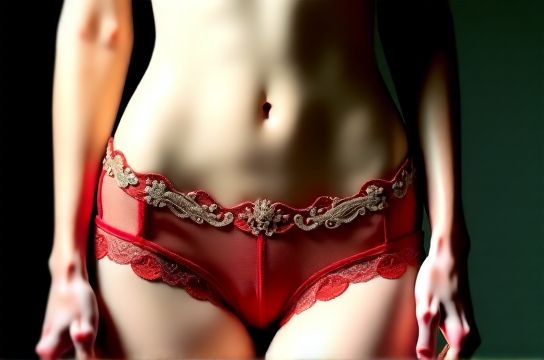
Back in the Tang Dynasty (618–907 AD), women wore loose, flowing robes with minimal underlayers. Comfort and elegance ruled. But by the Song Dynasty, modesty tightened up—literally. The ‘xiangyun ru’ (cloud-collar top) became common, often layered beneath outer robes. Fast forward to the Qing Dynasty: Han Chinese women avoided Manchu-style clothing, so their traditional undergarments retained distinct regional styles, especially in the south.
The real game-changer? The 20th century. When Western fashion flooded China in the 1920s, the cheongsam (qipao) emerged—fitted, sleek, and demanding new understructures. That’s when bras quietly entered the scene. By the 1950s, due to material shortages, many women used simple cotton vests instead. But post-1980s economic reforms? Boom. Global brands arrived, and Chinese consumers began prioritizing both comfort and aesthetics.
Check out this timeline of key shifts:
| Era | Common Innerwear | Material | Social Influence |
|---|---|---|---|
| Tang Dynasty | Light silk vests | Silk, cotton | Openness, cosmopolitan culture |
| Qing Dynasty | Xiangyun ru, abdominal binders | Cotton, embroidered silk | Modesty, ethnic identity |
| 1920s–30s | Camisoles, early corsets | Cotton, rayon | Western influence, urban modernity |
| Post-1980s | Bras, shapewear | Polyester, spandex blends | Globalization, consumerism |
Today, Chinese women blend tradition and trend. Brands like NEIWAI (‘inner & outer’) champion comfort-first designs, selling over 2 million units annually. Meanwhile, e-commerce data shows a 40% increase in demand for organic cotton women’s lingerie between 2020 and 2023 (source: Alibaba Health Report).
What’s next? Sustainability and body positivity. Younger generations reject one-size-fits-all ideals. Custom-fit bras and gender-neutral lines are rising. The message is clear: innerwear isn’t just functional—it’s personal.
So whether you're into vintage styles or cutting-edge comfort tech, understanding this evolution helps you choose pieces that truly fit—not just your body, but your values.