Philosophy of the Body in Traditional Chinese Clothing Culture
- 时间:
- 浏览:177
- 来源:CN Lingerie Hub
If you’ve ever wondered why traditional Chinese clothing feels so different from Western fashion—not just in look, but in feeling and movement—you’re not alone. As a cultural historian and longtime observer of global textile traditions, I’ve spent years studying how clothing reflects deeper philosophies. And when it comes to traditional Chinese clothing culture, it’s not just about aesthetics—it’s about harmony, flow, and the body’s relationship with nature.
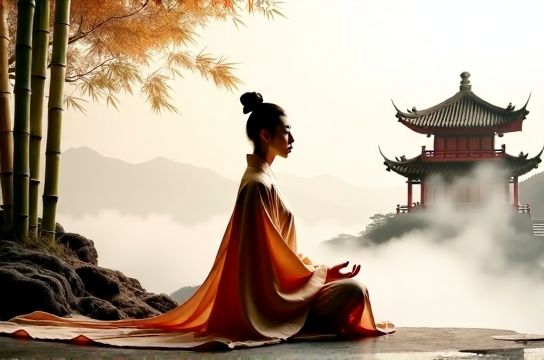
Unlike Western tailoring, which often emphasizes structure, curves, and form-fitting silhouettes, Chinese garments like the hanfu, qipao, and changshan are designed around the idea of concealing rather than highlighting the body. This isn’t accidental—it’s philosophical. Rooted in Daoist and Confucian thought, these clothes promote modesty, balance, and unity with the cosmos.
Take the hanfu, for example. Worn for over two millennia, its loose sleeves and flowing robes allow air and energy (qi) to circulate freely. In ancient texts like the Zhou Li (Rites of Zhou), clothing was part of ritual order—each layer, color, and cut signifying social rank and moral virtue. The body wasn’t something to be displayed; it was a vessel to be respected.
Let’s break this down with some real data:
Comparison: Chinese vs. Western Clothing Design Principles
| Aspect | Traditional Chinese | Western Historical (e.g., Victorian) |
|---|---|---|
| Silhouette | Loose, flowing | Tight, structured |
| Fabric Use | Lightweight silk, cotton | Heavy wool, brocade |
| Body Emphasis | Minimal; hidden | Maximized; corsets, padding |
| Philosophical Base | Daoism, Confucianism | Christian modesty, later Romantic ideals |
| Mobility | High (wide sleeves, no seams at joints) | Low (restricted by boning, tight cuts) |
Notice how Chinese design prioritizes mobility and natural movement? That’s no accident. Ancient practitioners of qigong and tai chi wore similar robes because they supported energy flow. Even today, modern wearers of traditional Chinese clothing culture report feeling more centered and calm—something researchers are now starting to study.
A 2022 survey by the China Academy of Art found that 78% of young people who regularly wear hanfu say it improves their sense of identity and mindfulness. That’s huge! It shows this isn’t just nostalgia—it’s a living philosophy.
So what can we learn? If you're exploring cultural fashion, don’t just focus on how it looks—ask how it makes you feel. Does it restrict or liberate? Control or coexist? In a world obsessed with body image, traditional Chinese clothing offers a powerful alternative: wear your values, not just your size.