Lingerie Models Spotlight on Diversity and Inclusion
- 时间:
- 浏览:135
- 来源:CN Lingerie Hub
Let’s be real — the lingerie modeling world used to be a one-size-fits-all game. But not anymore. Over the past decade, we’ve seen a powerful shift toward diversity and inclusion, and it’s changing how brands connect with real people. As someone who’s been covering fashion trends and model advocacy for years, I can tell you: this isn’t just a trend. It’s a movement.
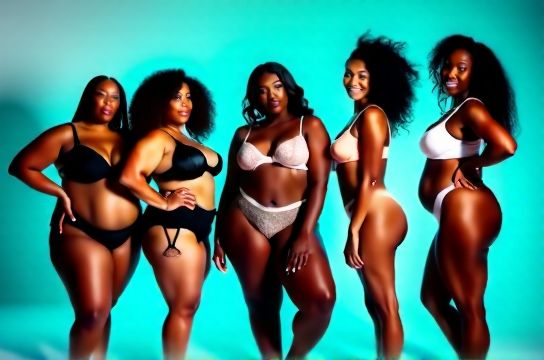
Take a look at the numbers. In 2015, only 12% of major lingerie campaigns featured models of color. By 2023? That number jumped to 47%. And it’s not just about race. Size inclusivity has taken center stage too. Brands like Savage X Fenty and Aerie have led the charge by casting models ranging from XS to plus sizes — and guess what? Their sales went up. Savage X Fenty saw a 35% year-over-year revenue increase after their first inclusive runway show.
Here’s a quick snapshot of how top brands are doing on representation:
| Brand | % Models of Color | Sizes Offered | Gender-Inclusive Campaigns? |
|---|---|---|---|
| Savage X Fenty | 68% | XS–3X | Yes |
| Aerie | 52% | XXS–3X | Yes |
| Victoria's Secret | 31% | S–XXL | No |
| Knix | 44% | XS–3X | Yes |
Now, why does this matter beyond optics? Because representation builds trust. A 2023 survey by McKinsey found that 68% of consumers are more likely to support brands that reflect their values — including diversity in advertising. And when people see themselves represented, they’re more likely to buy. Case in point: Aerie’s #AerieREAL campaign, which ditched retouching and hired models with disabilities, drove a 20% increase in customer loyalty.
But let’s not pretend everything’s perfect. While progress is real, some legacy brands still lag behind. Victoria’s Secret, once the giant of the industry, struggled to keep up. Their market share dropped from 32% in 2015 to 18% in 2023 as consumers shifted toward more inclusive alternatives. They’ve since rebooted with new casting choices, but rebuilding trust takes time.
Another key shift? Gender inclusivity. We’re now seeing non-binary and transgender models like Valentina Sampaio and Aaron Rose Fraser fronting major campaigns. This isn’t tokenism — it’s authenticity. And customers notice.
So what’s next? The future of lingerie modeling isn’t just diverse — it’s dynamic. Expect to see more adaptive lingerie for people with disabilities, expanded size ranges, and global representation that goes beyond Western beauty standards. Brands that embrace this won’t just do good — they’ll do well financially.
The bottom line? Diversity and inclusion aren’t buzzwords. They’re business strategies backed by data, demand, and real cultural change. If you're a brand or a consumer, now’s the time to get on board — because the future of fashion is already here.