Sustainable Fashion Lessons from Historic Chinese Underwear
- 时间:
- 浏览:163
- 来源:CN Lingerie Hub
Let’s talk about something most people don’t: what we wear underneath. But hold up — I’m not just talking about your favorite organic cotton briefs. I’m diving into a surprising source of sustainable fashion inspiration: historic Chinese underwear.
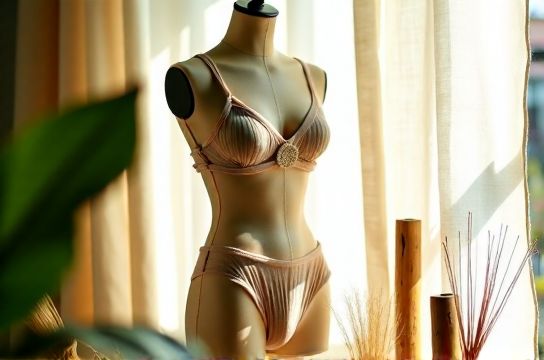
Yep, you read that right. Long before ‘eco-friendly’ became a buzzword, traditional Chinese undergarments were already nailing sustainability through smart design, natural materials, and cultural values around longevity and reuse. As someone who’s spent years analyzing slow fashion movements across cultures, I’ve found gold in these overlooked pieces.
Take the dudou (肚兜), for example — a diamond-shaped chest covering worn for centuries across China. Made from silk, cotton, or hemp, it was often hand-embroidered with symbols of luck, love, or protection. But beyond its beauty, the dudou was built to last. Families passed them down generations, repaired when needed, and repurposed after death — sometimes even buried with the wearer as a spiritual keepsake.
So how does this translate to modern sustainable fashion? Let’s break it down with some hard truths about today’s industry versus ancient wisdom:
Fast Fashion vs. Time-Honored Tradition
| Metric | Fast Fashion (Avg.) | Historic Chinese Underwear |
|---|---|---|
| Lifespan | 7-10 wears | Decades (hand-me-downs) |
| Material Source | Polyester (90% virgin plastic) | Silk, cotton, hemp (100% natural) |
| Carbon Footprint (kg CO₂ per item) | 12–15 | ~2–3 (local production) |
| Water Use (liters per kg fabric) | 10,000–20,000 | 500–2,000 (rain-fed crops) |
Now, let’s get real. The average person buys 60% more clothing than 15 years ago, yet keeps each item half as long (McKinsey, 2023). Meanwhile, traditional garments like the dudou were made with intention — not impulse. Every stitch had meaning. Every material was chosen for comfort, climate, and culture.
This is where sustainable fashion can learn big-time. We don’t need to bring back corsets, but we *can* adopt the mindset: buy less, choose well, make it last. Brands today are finally catching on — see labels like Slowool using merino and hemp blends, or Reformation launching repair programs. But honestly? They’re just reinventing what Chinese families knew centuries ago.
And here’s the kicker: circularity wasn’t a trend — it was tradition. Old dudous were turned into quilts, children’s clothes, or temple offerings. Zero waste? More like zero *concept* of waste.
If you’re serious about ethical style, start by asking: Would my great-grandmother have passed this down? If not, maybe rethink the purchase. For deeper insights, check out our guide to building a timeless wardrobe rooted in history, not hype.
In a world drowning in polyester, sometimes the most revolutionary thing you can wear… is wisdom.