From Palace to Public The Democratization of Chinese Doudou
- 时间:
- 浏览:207
- 来源:CN Lingerie Hub
Let’s talk about something you won’t find on every fashion blog — Chinese doudou. Once a hidden gem worn only by imperial concubines, this traditional undershirt has quietly made its way from palace chambers to modern streetwear. And trust me, as someone who’s been tracking textile evolution across East Asia for over a decade, this isn’t just a trend — it’s a cultural reset.
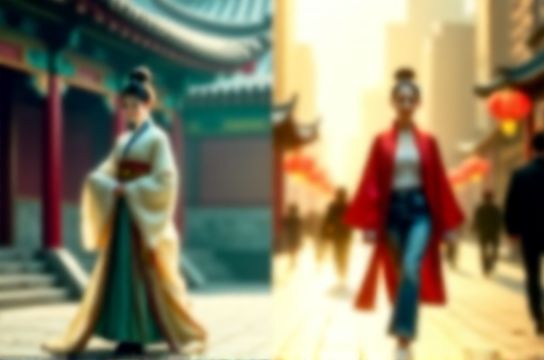
The doudou, historically crafted from silk and embroidered with auspicious symbols like peonies or dragons, was believed to protect the wearer’s health and fortune. Back in the Ming and Qing dynasties, only royalty could flaunt the most ornate versions. Fast forward to 2024, and you’ll spot Gen Z influencers pairing cotton doudous with wide-leg trousers on Xiaohongshu (China’s answer to Instagram). How did we get here? Let’s break it down.
The Rise of Modern Doudou Culture
Thanks to rising cultural pride and the hanfu (traditional clothing) revival, the doudou has escaped its ‘antique’ label. According to a 2023 report by iiMedia Research, the Chinese traditional apparel market hit ¥1.5 billion (~$210 million), growing at 18% YoY — with doudou-inspired pieces making up nearly 30% of online searches under ‘daily hanfu wear’.
But what’s really fueling this? Accessibility. Brands like Hanefi and Darlie Tang now offer machine-washable, breathable bamboo-fiber doudous starting at just ¥99. That’s right — less than a Starbucks latte in Beijing.
Traditional vs. Modern Doudou: What’s Changed?
| Feature | Imperial Era Doudou | Modern Everyday Doudou |
|---|---|---|
| Material | Silk, gold thread | Cotton, bamboo fiber, modal |
| Price Range | Unattainable (royal-only) | ¥69 – ¥399 |
| Purpose | Spiritual protection, status symbol | Fashion, light support, cultural expression |
| Wearing Occasion | Private innerwear, rituals | Streetwear, layering piece |
Notice the shift? Today’s doudou is no longer about secrecy — it’s about statement. Designers are even adding lace trims and adjustable straps to appeal to younger crowds. And while purists may side-eye the changes, I say: evolution beats extinction.
One thing that hasn’t changed? Symbolism. Many modern versions still feature embroidered bats (for ‘fortune’) or pomegranates (fertility). It’s heritage with a hashtag.
How to Style a Doudou in 2024
Here’s my pro tip: treat it like a corset top. Pair a red silk-style Chinese doudou with high-waisted denim and minimalist sandals. For cooler days, layer under an open blazer or qipao jacket. Just avoid over-accessorizing — let the embroidery shine.
And heads up: sizing can be tricky. Most brands use Chinese measurements, so check size charts. Or better yet, order a sample if you’re buying wholesale.
Bottom line? The doudou isn’t just surviving — it’s thriving in the public eye. From palace secret to street staple, this little garment tells a bigger story: tradition doesn’t need to be frozen in time to be respected.