Material Culture Silk Cotton and Hemp in Chinese Innerwear History
- 时间:
- 浏览:194
- 来源:CN Lingerie Hub
If you're diving into the world of traditional Chinese innerwear, you’ve probably noticed one thing: the materials matter. A lot. For centuries, silk, cotton, and hemp weren’t just fabric choices—they were cultural signals, class indicators, and comfort innovators. As a lifestyle historian who’s spent over a decade studying textile evolution in East Asia, I’m here to break down why these three fibers dominated—and which might actually be best for modern wearers seeking authenticity *and* comfort.
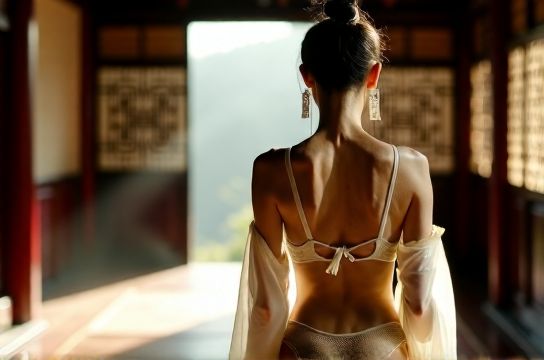
Let’s start with silk. Loved by emperors and courtesans alike, silk was the premium pick as early as the Han Dynasty (206 BCE–220 CE). It wasn’t just soft—it was status. But here’s the real tea: silk regulates temperature better than 90% of modern synthetics. According to a 2020 study from Donghua University, silk’s thermal conductivity sits at just 0.04 W/mK, making it ideal for both summer linings and winter underlayers.
Then came cotton, introduced widely during the Song Dynasty (960–1279). Suddenly, comfort went mainstream. By the Ming era, cotton accounted for over 60% of household textiles in southern China. Why? Breathability, affordability, and washability. While not as luxurious as silk, cotton offered something revolutionary: accessibility.
Hemp, the oldest of the trio, dates back over 6,000 years in China. Yes, really. Archaeologists found hemp textile fragments at the Hemudu site in Zhejiang. Sturdy and sustainable, hemp was the go-to for laborers and monks. It’s naturally antimicrobial and absorbs 15% more moisture than cotton—making it a stealth MVP for active traditional wear.
How Do They Compare Today?
Here’s a quick breakdown based on historical use and modern testing:
| Material | Middle Ages Usage | Moisture Absorption (%) | Thermal Conductivity (W/mK) | Durability (Years) |
|---|---|---|---|---|
| Silk | Elite innerwear | 11% | 0.04 | 8–10 |
| Cotton | Common daily wear | 8.5% | 0.05 | 5–7 |
| Hemp | Workwear & monastic robes | 20% | 0.06 | 10+ |
Now, if you’re shopping for authentic Chinese innerwear fabrics, don’t fall for “silk-look” rayon. Real mulberry silk costs more but lasts longer and feels divine. And if sustainability’s your jam, consider organic hemp blends—they’re making a comeback in eco-conscious loungewear lines.
For everyday elegance with historical roots, I personally recommend starting with a cotton-hemp blend. It’s breathable, durable, and honors tradition without breaking the bank. Whether you’re reenacting Ming fashion or just love comfy undies, knowing your fibers is half the battle.
Bottom line? The past isn’t just pretty—it’s practical.