Symbolic Motifs in Classical Chinese Dudou Designs Explained
- 时间:
- 浏览:215
- 来源:CN Lingerie Hub
If you've ever flipped through a vintage fashion catalog or browsed traditional Chinese lingerie in a museum, you’ve probably seen the dudou—that elegant, diamond-shaped undergarment worn for centuries across China. But here’s the thing: it’s not just about modesty or structure. Every stitch, color, and symbol woven into a classical dudou design tells a story. And as someone who’s spent over a decade studying Hanfu accessories, I can tell you—the motifs are where the magic happens.
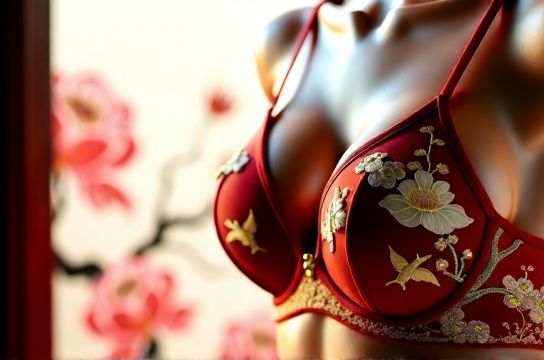
These weren’t random patterns thrown on for looks. Think of them like ancient emojis: compact, meaningful, and deeply cultural. Let’s break down the most common symbolic motifs and what they actually meant to the women who wore them.
Peonies = Wealth & Feminine Beauty
In dudou embroidery, peonies weren’t just pretty—they were power symbols. Known as the 'king of flowers' in Chinese culture, they represented prosperity and high social status. During the Qing Dynasty, noblewomen often wore dudous with oversized peony clusters to flaunt both beauty and family wealth.
Bats (Yes, Bats!) = Good Fortune
Hear me out—bats are lucky in Chinese symbolism. The word for bat, "fu", sounds identical to the word for "good fortune." So seeing five bats stitched around the neckline? That’s the "Five Blessings" motif: longevity, wealth, health, love of virtue, and a peaceful death. Pretty deep for underwear, right?
Double Happiness (囍) = Marriage & Union
No surprise here. This character was (and still is) embroidered onto bridal dudous. But fun fact: it wasn’t just decorative. Wearing it close to the heart was believed to magically strengthen marital bonds. Talk about wearable affirmations!
Quick Reference: Symbolism Cheat Sheet
| Motif | Meaning | Era of Popularity |
|---|---|---|
| Peony | Wealth, honor, feminine grace | Ming–Qing Dynasties |
| Bat (Fu) | Good luck, longevity, blessings | Qing Dynasty |
| Butterfly | Love, transformation, marriage | Late Qing–Early Republic |
| Lotus | Purity, rebirth, resilience | Song–Ming Dynasties |
| Double Happiness (囍) | Marital joy, unity | Modern Bridal Use |
Now, let’s talk craftsmanship. A single antique dudou could take up to 200 hours to embroider by hand. Silk threads, gold-wrapped yarns, even tiny pearls were used. Today, reproductions exist—but if you're hunting for authenticity, check the backstitch density and thread material. Real vintage pieces use natural dyes that fade softly over time.
And while modern lingerie focuses on function, the traditional dudou was spiritual armor. It protected more than the body—it carried wishes, identity, and ancestral whispers.
So next time you see one in a film or collection, look closer. Those little symbols? They’re heirlooms of hope.