How Ancient Chinese Innerwear Reflects Social Hierarchy Norms
- 时间:
- 浏览:210
- 来源:CN Lingerie Hub
When we think of ancient China, grand palaces and intricate rituals often come to mind. But did you know that something as personal as ancient Chinese innerwear could reveal a person’s entire social status? It’s true—what people wore underneath their robes wasn’t just about comfort; it was a silent yet powerful symbol of hierarchy, power, and cultural values.
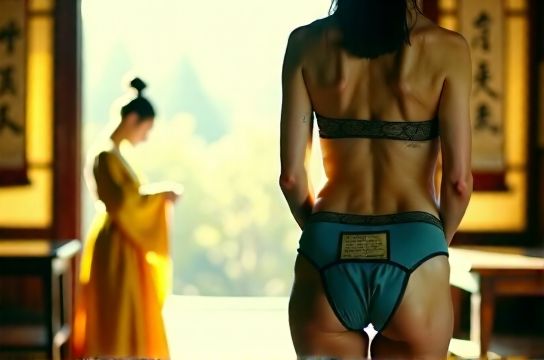
From the Han to the Qing dynasty, inner garments were strictly regulated. The elite didn’t just wear finer fabrics—they followed detailed rules dictating color, cut, and even stitching patterns. For example, only members of the imperial family could wear bright yellow linings, while commoners were restricted to plain cotton in muted tones.
Let’s break it down with some hard data:
Innerwear Regulations by Social Class (Ming Dynasty)
| Social Class | Fabric Type | Allowed Colors | Embellishments |
|---|---|---|---|
| Imperial Family | Silk, Brocade | Yellow, Gold | Dragon motifs, Jade buttons |
| Nobility & Officials | Fine Silk | Deep Blue, Purple | Cloud patterns, Silver trims |
| Merchants | Cotton-Silk Blend | Brown, Gray | Limited embroidery |
| Peasants | Rough Cotton | Natural White, Beige | None |
This wasn’t just fashion—it was law. Violating dress codes could lead to fines or even imprisonment. According to historical records from the Ming Shi Lu (Veritable Records of the Ming), over 200 cases of improper attire were prosecuted in Beijing alone between 1580 and 1600.
But why such strict rules? Because clothing was a tool of social control. In a society where Confucian ideals emphasized order and respect for hierarchy, what you wore—especially under your outer robes—reinforced your place in the system. Even the length of an undershirt could signal whether you were scholar-gentry or a laborer.
Fast forward to today, and modern designers are rediscovering these traditions. Brands like Shang Xia and Ms Min incorporate elements of traditional Chinese undergarments into high-fashion pieces, blending heritage with contemporary style. These collections aren’t just beautiful—they’re a nod to a time when every stitch had meaning.
So next time you slip on a silk camisole or linen undershirt, remember: you’re part of a 2,000-year-old conversation about identity, status, and culture. And who knows? Maybe the future of fashion isn’t so much about innovation as it is about remembering what we’ve worn all along.