The Role of Textiles in Chinese Innerwear Historical Development
- 时间:
- 浏览:248
- 来源:CN Lingerie Hub
If you're into fashion history or just curious about how what we wear today came to be, let’s dive into something super underrated: the role of textiles in Chinese innerwear historical development. Seriously, it’s not just about silk and qipaos—China’s underwear evolution tells a story of culture, tech, and comfort colliding over centuries.
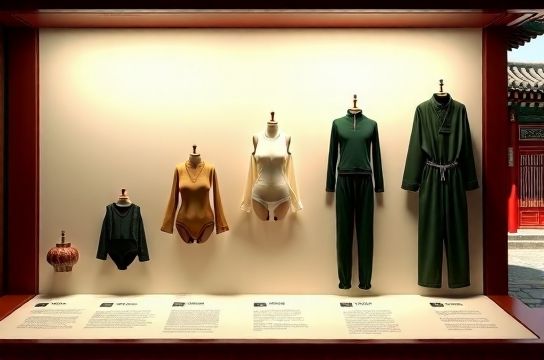
Back in ancient times, especially during the Han Dynasty (206 BCE–220 CE), most undergarments were made from hemp and ramie. These fabrics were breathable and cheap, but let’s be real—they weren’t exactly soft. Fast forward to the Tang Dynasty (618–907 CE), and silk started showing up in elite innerwear. Why? Because silk was lightweight, smooth, and screamed status. But here’s the kicker: only about 5% of the population could afford silk underlayers back then. The rest stuck with plant-based fibers.
The real game-changer came during the Ming and Qing Dynasties (1368–1912). Cotton became widely cultivated, thanks to agricultural upgrades. Suddenly, everyday people had access to softer, washable inner garments. This shift wasn’t just about comfort—it was a social revolution. Cotton underdresses, known as *xia yi*, became standard household items.
Let’s talk numbers. Here’s how textile use evolved in traditional Chinese innerwear:
| Era | Primary Fabric | Affordability (Scale 1-10) | Common Users |
|---|---|---|---|
| Han Dynasty | Hemp, Ramie | 9 | General Public |
| Tang Dynasty | Silk (elite), Hemp (commoners) | 3 (Silk), 8 (Hemp) | Nobility / Peasants |
| Ming & Qing | Cotton | 7 | Widespread Use |
| Early 20th Century | Blended Cotton-Synthetic | 6 | Urban Populations |
See the trend? As fabric tech improved, so did accessibility. By the 1950s, synthetic blends entered the scene, especially after industrialization. Nylon and polyester brought stretch and durability—key for modern Chinese innerwear design. But purists still argue nothing beats natural breathability.
Now, fast-forward to today. China is not only the world’s largest producer of man-made fibers but also a leader in smart textile innovation. Brands like NEIWAI (meaning 'inner') are redefining comfort by blending tradition with moisture-wicking fabrics and minimalist cuts. In fact, NEIWAI hit $200M in annual revenue by focusing on body positivity and fabric-first design—proof that textiles in Chinese innerwear aren’t just historical relics; they’re shaping global trends.
So, whether you're a designer, historian, or just love comfy undies, understanding this evolution helps you appreciate why material choice matters. It’s not just about staying covered—it’s about identity, innovation, and cultural pride woven into every thread.