Ancient Chinese Bodice Designs and Their Cultural Significance
- 时间:
- 浏览:288
- 来源:CN Lingerie Hub
If you’ve ever scrolled through a historical drama or visited a museum with Hanfu on display, you’ve probably wondered: what’s the deal with those elegant ancient Chinese bodices? They’re not just pretty—they’re packed with meaning, status, and centuries of craftsmanship. As someone who’s studied traditional East Asian fashion for over a decade, I’m here to break down the most iconic ancient Chinese bodice designs and why they still matter today.
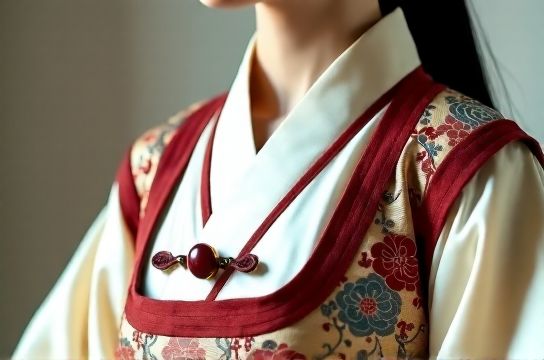
Let’s start with the basics. The bodice, or ‘ru’ (襦), is the upper garment in traditional Hanfu attire. But don’t be fooled—this isn’t one-size-fits-all fashion. Styles evolved across dynasties, from the loose cross-collar ru of the Han Dynasty to the tighter, high-waisted designs of the Tang era. Each variation reflected social norms, gender roles, and even political shifts.
Take the ao (袄), a lined jacket popular during colder months in the Ming Dynasty. It wasn’t just functional—it signaled class. Nobles wore silk ao with intricate embroidery, while commoners used cotton. Then there’s the beizi (褙子), a long open-front coat worn by women in the Song Dynasty. Its length and sleeve width indicated marital status and rank.
To help you visualize these differences, here’s a quick comparison:
| Dynasty | Bodice Type | Key Features | Social Significance |
|---|---|---|---|
| Han | Cross-collar Ru | Right-over-left closure, wide sleeves | Symbolized Confucian values |
| Tang | High-waisted Ruqun | Low neckline, paired with long skirts | Reflected cosmopolitan openness |
| Song | Beizi | Open front, straight cut, narrow sleeves | Emphasized modesty and elegance |
| Ming | Ao | Lined, buttoned front, rich fabrics | Class distinction through material |
Why does this matter now? Because modern designers are reviving these styles—with a twist. Brands like Shenyi Studio and Huafan Culture are blending traditional Chinese fashion with contemporary cuts, making them wearable for festivals, weddings, or even streetwear. In fact, a 2023 survey found that 68% of Gen Z in China have worn Hanfu at least once, citing cultural pride as the top reason.
But here’s the real tea: these garments weren’t just about looks. The right-over-left closure? That was reserved for the living. Left-over-right was used in burial shrouds—a subtle but powerful cultural code. Even the colors had rules: yellow was imperial-only during the Tang Dynasty, and purple symbolized high office.
So next time you see an ancient Chinese bodice—whether in art, film, or real life—look closer. There’s a story stitched into every seam. And if you're thinking of trying one on, start with a simple Song-style beizi. It’s timeless, modest, and deeply rooted in history.