Exploring Chinese Lingerie Culture and Modern Identity
- 时间:
- 浏览:216
- 来源:CN Lingerie Hub
When you think of lingerie, Paris or New York might come to mind—but what about Shanghai? Or Chengdu? The world of Chinese lingerie culture is quietly rewriting the rules of intimacy, fashion, and self-expression. Gone are the days when underwear was just functional; today, it's a statement, a rebellion, and for many women, a form of personal liberation.
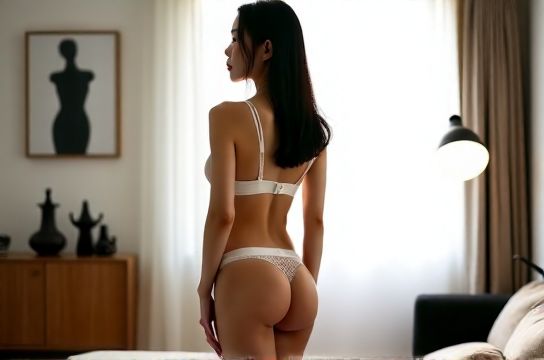
In the past decade, China’s lingerie market has exploded—growing from a $5 billion industry in 2015 to over $12 billion in 2023, according to Statista. But beyond the numbers, there’s a deeper shift: Chinese women are embracing lingerie not just as clothing, but as a tool for body positivity and identity.
The Cultural Shift: From Modesty to Empowerment
Traditionally, Chinese culture emphasized modesty. Lingerie was hidden, often plain, and rarely discussed. Fast forward to 2024, and we’re seeing bold lace, vibrant colors, and brands like NEIWAI (内外) and Ubras leading the charge in redefining intimacy wear.
NEIWAI, founded in 2012, built its brand on the slogan “Comfort is the New Sexy.” By focusing on natural fabrics, inclusive sizing, and minimalist design, they’ve tapped into a growing desire for authenticity. In 2023, NEIWAI reported over 800 million RMB in annual revenue, with a 60% year-on-year growth in cross-border sales.
Why Modern Chinese Women Are Choosing Self-Expression
Urbanization, rising education levels, and digital connectivity have empowered younger generations to explore identity freely. Social media platforms like Xiaohongshu (Little Red Book) and Douyin (China’s TikTok) are flooded with #LingerieTryOn videos, body-positive influencers, and real-talk discussions about self-worth.
A 2023 survey by McKinsey revealed that 72% of Chinese women aged 18–35 now buy lingerie for themselves—not as gifts—prioritizing comfort and personal style over traditional expectations.
Lingerie Market Growth & Consumer Trends (2018–2023)
| Year | Market Size (USD Billion) | Key Trend |
|---|---|---|
| 2018 | 6.1 | Rise of e-commerce lingerie brands |
| 2019 | 7.3 | Focus on comfort and seamless designs |
| 2021 | 9.8 | Body positivity campaigns go mainstream |
| 2023 | 12.4 | Global expansion of Chinese lingerie brands |
The Role of Design: East Meets West
What makes Chinese lingerie unique? It’s the fusion. You’ll find delicate qipao-inspired silhouettes paired with Western-style cuts. Brands are incorporating elements like silk linings, mandarin collar details, and even lucky red packaging—blending heritage with modern sensuality.
Ubras, known for its “zero-feeling” bras, sold over 10 million units in 2022 alone. Their success lies in tech-driven comfort: breathable fabrics, no wires, and AI-powered fit recommendations.
Challenges & The Road Ahead
Despite progress, challenges remain. Older generations may still view sexy lingerie as taboo. Plus, sustainability is becoming a concern—fast-fashion lingerie contributes to waste. Forward-thinking brands are responding with eco-friendly materials and recycling programs.
Looking ahead, the future is inclusive. Gender-neutral lines, adaptive lingerie for post-surgery wear, and augmented reality fitting rooms are on the rise.
Chinese lingerie isn’t just about what’s under the clothes—it’s about what’s within the culture: confidence, change, and the quiet revolution of self-love.