The Rise of Intimacy Stories in Contemporary China
- 时间:
- 浏览:245
- 来源:CN Lingerie Hub
In recent years, a quiet but powerful cultural wave has been sweeping through urban China—intimacy storytelling. Far from just romantic tales or steamy confessions, these narratives explore the raw, vulnerable, and often overlooked corners of human connection. From late-night podcasts to packed live-stage performances, intimacy stories are reshaping how young Chinese people talk about love, sex, identity, and emotional well-being.
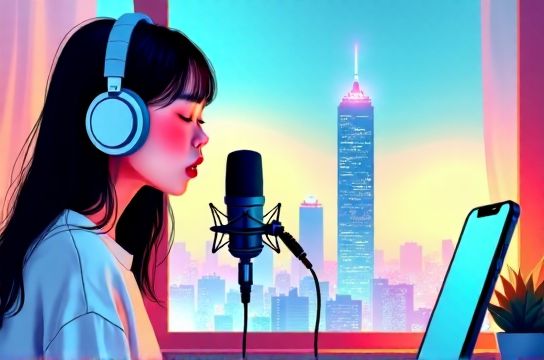
What exactly fuels this trend? And why now? Let’s dive into the heart of this movement with data, insights, and real voices from the ground.
The Numbers Behind the Narrative
A 2023 survey by China Youth Daily found that over 68% of respondents aged 18–35 expressed a desire for more open conversations about relationships and sexuality. Meanwhile, intimacy-focused podcasts like “Night Conversations” and “Love Lab” have seen monthly listenership grow by over 200% since 2021.
Live storytelling events such as “Heart to Heart” in Beijing and Shanghai regularly sell out venues seating 500+, with tickets going fast on platforms like Damai.cn.
| Year | Intimacy Podcast Listeners (Millions) | Live Storytelling Attendees (Thousands) | Social Media Mentions (Monthly) |
|---|---|---|---|
| 2021 | 12.5 | 45 | 86,000 |
| 2022 | 23.7 | 98 | 190,000 |
| 2023 | 38.4 | 176 | 412,000 |
| 2024 (est.) | 55.0+ | 250+ | 700,000+ |
This isn’t just entertainment—it’s emotional liberation in real time.
Why Now? The Social Pulse of Modern China
Urbanization, digital connectivity, and shifting gender roles have created a perfect storm. Young professionals in cities like Shenzhen and Hangzhou face intense work pressure, delayed marriages, and loneliness. A 2022 study from Peking University revealed that 41% of single adults in major cities report feeling emotionally isolated.
Enter intimacy storytelling: a safe space to share, listen, and heal. These aren’t scripted dramas—they’re real people confessing first kisses, queer awakenings, breakups, and even struggles with sexual dysfunction. The authenticity hits hard.
Voice of the People: Real Stories, Real Impact
Take Li Na, a 29-year-old designer in Guangzhou: “I went to a storytelling night after my breakup. I didn’t plan to speak, but I ended up sharing how I lost myself in the relationship. Afterward, three strangers hugged me and said, ‘Me too.’ That moment… it changed everything.”
Or consider Wei Ming, a gay teacher from Xi’an who anonymously recorded a podcast about coming out to his parents. His episode reached over 200,000 plays and sparked hundreds of supportive DMs. “For the first time,” he said, “I didn’t feel broken.”
Cultural Shifts & Challenges
Of course, it’s not all smooth sailing. Traditional values still weigh heavily. Topics like premarital sex or non-heteronormative relationships can spark backlash online. Some events have been quietly canceled due to venue pressure or vague “regulatory concerns.”
Yet the movement persists—often flying under the radar, hosted in indie bookstores or art spaces. Censorship may slow it down, but it can’t erase the hunger for connection.
Where Do We Go From Here?
The rise of intimacy stories isn’t just a trend—it’s a cultural reset. As therapy becomes less stigmatized and digital platforms amplify marginalized voices, we’re witnessing the birth of a new emotional language in China.
Whether through whispered confessions on a podcast or tearful monologues on stage, people are finally saying: I matter. My feelings matter.
And that? That’s revolutionary.