Personal Journeys Through Chinese Intimacy Fashion
- 时间:
- 浏览:220
- 来源:CN Lingerie Hub
When we think of fashion, runways in Paris or Milan might come to mind—but there's a quietly revolutionary style movement happening in China that’s redefining intimacy, identity, and self-expression: Chinese intimacy fashion. It’s not just about lingerie; it’s a cultural whisper turning into a roar.
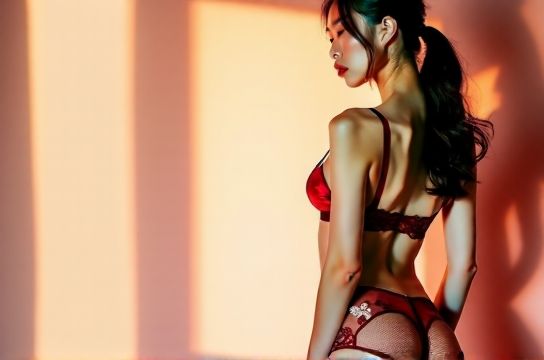
From delicate silk qipao-inspired bras to bold red lace sets symbolizing luck and passion, this niche blends tradition with modern sensuality. What makes it unique? It’s deeply personal. In cities like Shanghai and Chengdu, young designers are fusing ancestral aesthetics with body positivity, creating pieces that honor heritage while celebrating individuality.
Take the rise of brands like NE-Tiger Homme and Laurel, which incorporate embroidery techniques passed down for generations. These aren’t mass-produced garments—they’re wearable art. And consumers are responding. According to Statista, China’s intimate apparel market hit $28.5 billion in 2023, growing at a CAGR of 7.3% since 2020.
Why This Movement Matters
Unlike Western trends that often prioritize sex appeal, Chinese intimacy fashion leans into subtlety, symbolism, and emotional resonance. Red isn’t just a color—it’s protection. Peonies aren’t just pretty—they represent prosperity and romance. Every stitch tells a story.
This shift is also empowering women. A 2022 survey by McKinsey found that 68% of Chinese women aged 18–35 now view intimate wear as a form of self-care, not just seduction. That mindset fuels demand for comfort, craftsmanship, and cultural meaning.
Spotlight on Key Trends (2020–2024)
| Trend | Description | Market Penetration (%) |
|---|---|---|
| Heritage Embroidery | Hand-stitched floral motifs using traditional Suzhou techniques | 42% |
| Eco-Silk Lines | Sustainable mulberry silk from Jiangsu farms | 35% |
| Genderless Intimates | Androgynous cuts inspired by Hanfu silhouettes | 18% |
| Digital Try-Ons | AR apps from Taobao & JD.com boosting online sales | 57% |
As you can see, innovation isn’t limited to fabric. Technology plays a big role—nearly 6 in 10 shoppers use augmented reality to preview styles before buying. That’s reshaping how intimacy fashion reaches its audience.
Cultural Fusion vs. Cultural Appropriation?
With global interest rising, questions emerge. Is this trend being shared respectfully? Some international brands have misused dragon motifs or phoenix symbols without context—sparking backlash. The key difference? Authenticity. Homegrown labels consult elders, source locally, and credit artisans by name.
For travelers or curious fashion lovers, visiting concept stores in Beijing’s 798 Art Zone offers an immersive experience. You’ll find pop-ups where you can learn basic embroidery while sipping oolong tea—a sensory journey into slow fashion.
The Future is Personal
Chinese intimacy fashion isn’t about chasing trends—it’s about reclaiming narratives. Whether it’s a bride choosing a red corset over a white gown or a non-binary artist wearing a deconstructed cheongsam bralette, these choices reflect deeper values: respect, resilience, and rebirth.
So next time you scroll through your feed and see a silk camisole with golden cranes, remember—it’s more than fabric. It’s a personal journey stitched in culture, one delicate thread at a time.