Luxury and Desire in Chinese Lingerie Markets
- 时间:
- 浏览:223
- 来源:CN Lingerie Hub
In the pulsing heart of China’s consumer revolution, lingerie is no longer just about function—it’s a statement, a seduction, a symbol of self-expression. Once dominated by utilitarian designs and modest palettes, the Chinese lingerie market has transformed into a playground of luxury, sensuality, and empowerment. With urbanization, rising disposable incomes, and evolving gender norms, brands are racing to capture not just bodies, but desires.
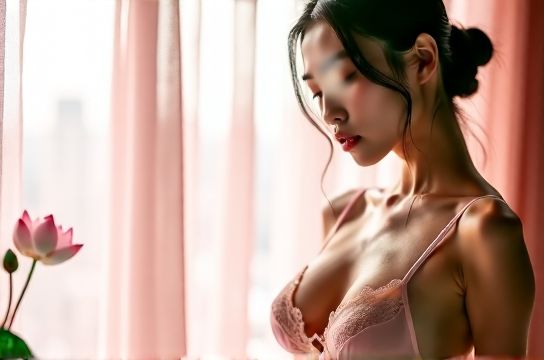
By 2025, China’s intimate apparel market is projected to exceed $20 billion, growing at a CAGR of 8.3% (Statista, 2023). What’s fueling this surge? A new generation of Chinese women—confident, digitally savvy, and unapologetically indulgent. They’re not buying bras to hide; they’re curating boudoir wardrobes like fashion collections.
The Rise of Homegrown Luxury
While Victoria’s Secret stumbled in China—closing stores and losing relevance—local players like NEIWAI (Undercover) and Ubras stepped in with inclusive sizing, minimalist aesthetics, and body-positive messaging. NEIWAI, founded in 2012, now boasts over 1 million loyal customers and expanded to the U.S., proving that Chinese design can go global.
These brands speak the language of modern femininity: comfort meets allure. Silk blends, breathable bamboo fabrics, and seamless silhouettes dominate. And pricing? Strategic. While a luxury set might cost $80–$150, it’s positioned as affordable indulgence—not extravagance.
Digital Desire: How E-Commerce Fuels Intimacy
China’s lingerie boom lives online. Over 75% of sales happen via Tmall, JD.com, or social commerce platforms like Xiaohongshu (Little Red Book). Livestream selling has turned bra launches into theatrical events—KOLs (Key Opinion Leaders) demo straps, discuss fit, and whisper about lace transparency like it’s haute couture.
During Singles’ Day 2023, Ubras raked in over $150 million in sales in just 24 hours—topping beauty and electronics categories. That’s not just demand; that’s cultural momentum.
Who’s Buying What? A Snapshot of Consumer Trends
| Age Group | Preferred Style | Avg. Spend (RMB/year) | Key Motivation |
|---|---|---|---|
| 18–25 | Sporty & Seamless | 800–1,200 | Comfort + Social Media Appeal |
| 26–35 | Luxury Lace & Silk | 1,500–3,000 | Self-Gifting & Emotional Reward |
| 36–45 | Supportive & Elegant | 1,000–2,000 | Quality & Longevity |
Notice a trend? It’s not just about romance or partners—it’s about self. Women are spending on lingerie as an act of personal affirmation. As one Shenzhen-based buyer told us: “I wear silk not for him, but because I feel like a queen when I do.”
The Taboo That Isn’t (Anymore)
Just a decade ago, discussing bras openly was awkward. Today, hashtags like #MyLingerieStory rack up millions of views on Weibo. Brands run campaigns featuring real bodies—stretch marks, scars, and all. The message? Beauty isn’t one-size-fits-all; it’s diverse, intimate, and proudly worn.
Luxury here isn’t just materials—it’s emotional resonance. It’s knowing your brand supports mental wellness (NEIWAI partners with therapists) or sustainability (Ubras uses recycled packaging).
What’s Next?
Expect more tech integration: smart bras with posture sensors, AR fitting rooms, and AI-driven size recommendations. But the real innovation? Normalizing desire as a form of self-care.
The Chinese lingerie market isn’t just growing—it’s redefining what intimacy means in the 21st century. From silent luxury to bold sensuality, it’s a space where fabric meets feeling, and every stitch tells a story.