Digital Platforms Shaping Chinese Lingerie Taste
- 时间:
- 浏览:250
- 来源:CN Lingerie Hub
In recent years, the Chinese lingerie market has undergone a quiet revolution — not led by designers in Paris or Milan, but by digital platforms right from living rooms across Beijing, Chengdu, and Shenzhen. From TikTok trends to livestream shopping sprees, e-commerce isn’t just selling bras and panties; it’s reshaping what Chinese women want, how they buy, and even how they feel about their bodies.
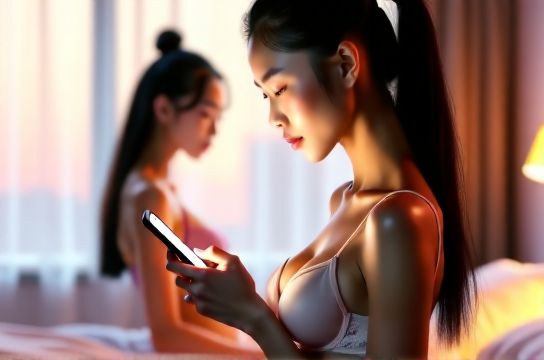
The Rise of Social Commerce
Gone are the days when lingerie choices were limited to mall boutiques or imported luxury brands. Today, over 78% of Chinese women aged 18–35 discover new lingerie styles through short videos on Douyin (China’s TikTok) or Xiaohongshu (Little Red Book). These platforms blend entertainment, peer reviews, and instant purchasing — creating what experts call “emotional commerce.”
Take the viral trend of “soft bralettes” — seamless, wire-free designs marketed as both comfy and stylish. In 2023 alone, searches for “无痕内衣” (seamless underwear) surged by 142% on Taobao, with livestreamers like Viya and Li Jiaqi pushing sales into the tens of millions per event.
Data That Speaks Volumes
Let’s break down how digital platforms are driving this shift:
| Platform | Lingerie Sales Growth (2023) | Top Customer Age Group | Key Feature Driving Sales |
|---|---|---|---|
| Douyin | 68% | 18–26 | Livestream Try-Ons |
| Taobao/Tmall | 52% | 25–34 | User Reviews & Ratings |
| Xiaohongshu | 91% | 20–29 | Influencer-Led Aesthetic Trends |
| Jingdong | 37% | 30–40 | Fast Delivery & Quality Assurance |
As the table shows, Xiaohongshu leads in growth, thanks to its visually driven content and trusted community voices. One post titled “My Journey from Underwire Pain to Cloud-Like Comfort” racked up over 2 million views and sparked a wave of indie bralette brands.
Body Positivity Meets Algorithm
What’s truly fascinating is how these platforms are subtly promoting body diversity. Unlike traditional fashion media that glorified one body type, Douyin influencers now proudly showcase different shapes — petite, curvy, athletic — normalizing the idea that lingerie should fit the woman, not the other way around.
A 2023 survey by iiMedia Research found that 63% of young Chinese consumers now prioritize comfort over push-up padding or lace detailing. This mindset shift? Fueled by relatable content creators who say things like, “You don’t need to squeeze into a B-cup. Your natural shape is enough.”
The Power of Micro-Brands
Digital platforms have also lowered the barrier for niche players. Brands like Ubras and NEIWAI (内外) started as online-only labels but now dominate search results. NEIWAI, which means “inner and outer,” built its identity around emotional wellness and self-expression. In 2023, it hit $400 million in annual revenue — all without a single physical store at launch.
These brands thrive on storytelling. Instead of ads, they post real customer letters, host live Q&As about breast health, and collaborate with psychologists on body image webinars. It’s not just selling underwear — it’s building a movement.
SEO Keywords That Fuel Discovery
Behind the scenes, smart keyword use amplifies reach. Top-performing terms include: comfortable bras China, wire-free bralette, body-positive lingerie, and Chinese lingerie brands. Long-tail phrases like “best soft bra for sensitive skin” also rank high, showing users seek personalized solutions.
Final Thoughts
The fusion of social media, e-commerce, and cultural change has turned lingerie shopping in China into something deeply personal and powerfully communal. Digital platforms aren’t just reflecting taste — they’re shaping it. And as algorithms learn more about individual preferences, one thing’s clear: the future of lingerie is not just wearable. It’s shareable.