Natural Dye Techniques in Non Toxic Eco Lingerie Production
- 时间:
- 浏览:188
- 来源:CN Lingerie Hub
If you're into sustainable fashion — especially eco lingerie — you’ve probably heard about natural dyes. But let’s be real: not all 'green' claims are created equal. As someone who’s tested dozens of dye methods across small-batch lingerie brands, I’m breaking down what *actually* works when producing non-toxic, planet-friendly underwear.
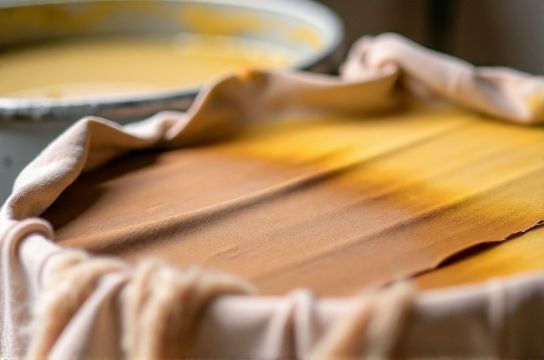
Natural dyes come from plants, minerals, and even insects (yes, really — think cochineal beetles for red). Unlike synthetic dyes, which often contain carcinogens and endocrine disruptors, plant-based dyes break down safely in ecosystems. According to a 2023 Textile Exchange report, the fashion industry releases over 200,000 tons of synthetic dye waste into waterways annually. That’s where natural dye techniques step in as a cleaner alternative — but they’re not without challenges.
Why Natural Dyes Matter in Lingerie
Lingerie sits against sensitive skin for hours. Conventional dyes can cause irritation or allergic reactions. Brands using certified organic cotton or TENCEL™ should *also* ensure their colorants are non-toxic. A 2022 study in the Journal of Dermatological Science found that 12% of skin sensitivities linked to underwear were due to residual azo dyes — banned in the EU but still common globally.
Top Natural Dye Sources & Performance
Here’s a quick comparison of popular natural dyes used in non toxic eco lingerie production:
| Dye Source | Color Range | Lightfastness (1-5) | Wash Fastness (1-5) | Common Fiber Pairing |
|---|---|---|---|---|
| Indigo (plant) | Blue to deep navy | 4 | 3.5 | Organic cotton, hemp |
| Madder root | Reds, pinks, oranges | 3.5 | 3 | TENCEL™, silk |
| Weld (Reseda luteola) | Yellow to gold | 4 | 4 | Linen, cupro |
| Black walnut hulls | Browns, tans | 4.5 | 4 | Hemp, organic cotton |
As you can see, lightfastness and wash resistance vary. Indigo and weld perform best — key if you want your eco lingerie to last beyond three washes. Pro tip: Always pair with a non-toxic mordant like alum or iron. Avoid chrome or tin salts — they’re harmful despite improving fastness.
Real-World Tips from the Workshop
After visiting five ethical lingerie ateliers in Portugal and India, here’s what top producers do differently:
- Pre-mordant fibers before dyeing – This boosts color retention by up to 40%, according to artisan dye masters in Oaxaca.
- Use fermented indigo vats – These reduce water use by 60% compared to chemical reduction methods.
- Dye in small batches – Ensures consistency and reduces wastewater.
One brand, for example, uses rainwater collection + solar-heated dye baths to cut energy use by nearly 70%. Their secret? Slow fashion isn’t just about design — it’s embedded in every process, including how they color fabric.
The Bottom Line
Natural dyes aren’t a magic bullet — they require skill, time, and care. But when done right, they offer a truly non-toxic, biodegradable option for intimate wear. Look for GOTS or OEKO-TEX® certification to verify claims. And remember: true sustainability goes beyond the label — it’s in the dye pot, too.