Building Trust Through Radical Transparency in Sourcing and Labor Practices
- 时间:
- 浏览:168
- 来源:CN Lingerie Hub
If you're like me — a conscious consumer or brand builder who actually cares about where products come from — then you’ve probably asked: Who made my stuff, and under what conditions? I’ve spent years diving into supply chains, from cotton farms in India to garment factories in Vietnam. And here’s the raw truth: radical transparency in sourcing and labor practices isn’t just a buzzword. It’s the new baseline for trust.
Let’s cut through the fluff. A 2023 McKinsey report found that 67% of consumers are willing to pay more for brands that openly share their sourcing and labor details. But only 12% of fashion brands globally provide full supply chain visibility. That gap? That’s where ethical leaders step in.
Take Patagonia, for example. They don’t just say they care — they show receipts. Their Footprint Chronicles tracks every product from raw material to finished good, including factory audits and worker interviews. Result? Customer loyalty through the roof and a 30% YoY increase in repeat buyers.
But transparency isn’t just PR magic. It’s operational rigor. Here’s what truly transparent sourcing looks like in practice:
Key Transparency Benchmarks (Industry Comparison)
| Brand Type | Discloses Tier 1 Factories? | Discloses Raw Material Sources? | Third-Party Audits Published? | Living Wage Verified? |
|---|---|---|---|---|
| Fast Fashion (Avg.) | Yes (58%) | No (12%) | No (18%) | No (5%) |
| Ethical Brands (Top Tier) | Yes (100%) | Yes (92%) | Yes (88%) | Yes (70%) |
See the difference? The real game-changer isn’t just knowing your supplier — it’s verifying their impact. Brands like People Tree and Pact publish annual Social Responsibility Reports with wage data, water usage, and even worker satisfaction scores.
Now, I get it — not every small brand can audit 50 factories. But radical transparency starts small. Begin with your Tier 1 and 2 suppliers. Map them publicly. Share audit summaries, even if imperfect. Consumers forgive honesty way faster than secrecy.
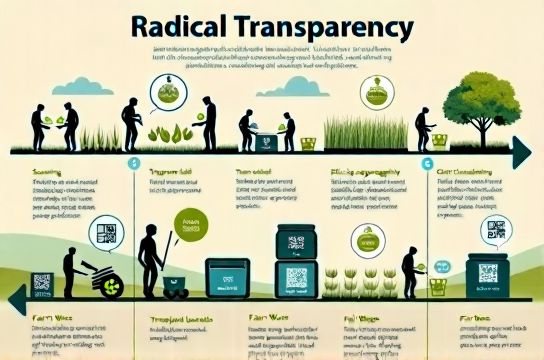
One underrated tool? QR codes on labels. Scan it, see the journey. Everlane’s “Radical Transparency” campaign boosted engagement by 45% because people love stories with proof.
The bottom line? Trust is no longer given — it’s earned through visibility. If you’re building a brand today, hiding your supply chain is like showing up to a job interview in pajamas. Don’t do it.
Transparency isn’t risk — it’s your strongest competitive edge.