Community Powered Growth How Chinese Intimates Startups Are Changing Retail
- 时间:
- 浏览:173
- 来源:CN Lingerie Hub
If you think the intimates market is all about big brands and flashy ads, think again. Over the past few years, a wave of Chinese intimates startups has quietly disrupted retail—not with billboards, but with communities.
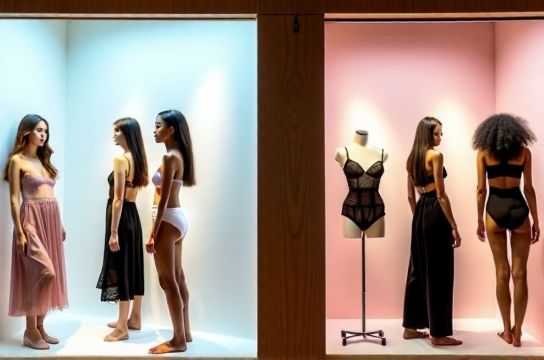
Brands like NEIWAI (内外), Ubras, and NEI Collective aren’t just selling bras and loungewear—they’re building movements. And their secret weapon? Real people talking to real people.
Why Community Beats Advertising
In China’s hyper-competitive e-commerce landscape, traditional marketing costs are skyrocketing. For a new brand, spending millions on KOLs (Key Opinion Leaders) isn’t sustainable. But fostering genuine community engagement? That scales.
Take NEIWAI. Instead of relying solely on celebrities, they launched the “No Bra Day” campaign, encouraging women to share personal stories about body image and comfort. The result? Over 100 million social media impressions—mostly from user-generated content.
Data That Speaks Volumes
Let’s look at some numbers. According to iiMedia Research, the Chinese functional underwear market reached ¥180 billion ($25B) in 2023, with online sales growing at 28% YoY. More importantly, 67% of Gen Z shoppers say peer recommendations influence their purchase decisions more than ads.
| Brand | Founded | 2023 GMV (Est.) | Primary Channel | Community Strategy |
|---|---|---|---|---|
| NEIWAI | 2012 | ¥800M | WeChat + Xiaohongshu | User storytelling & offline salons |
| Ubras | 2016 | ¥1.2B | Tmall + Douyin | Zero-wire campaigns & KOC collabs |
| NEI Collective | 2020 | ¥300M | DTC Website | Loyalty clubs & member-only drops |
Notice a pattern? These brands aren’t just on social media—they’re creating spaces where customers feel heard. Ubras, for example, worked with thousands of micro-influencers (KOCs) to test and review products, generating authentic buzz without the influencer price tag.
The Power of the Niche
While fast fashion giants push mass appeal, Chinese intimates startups win by going deep, not wide. They focus on specific pain points: comfort, inclusivity, sustainability. NEI Collective, for instance, built its entire brand around size-inclusive designs and eco-friendly fabrics—values that resonate deeply with urban millennials.
And here’s the kicker: their customer retention rates are through the roof. While the average apparel brand sees ~25% repeat purchase rate, Ubras reports over 40%. Why? Because when people feel part of something, they stick around.
Lessons for Global Brands
You don’t need to be based in Shanghai to apply this model. Whether you're launching a DTC brand or rethinking retail strategy, ask: How can I turn customers into collaborators?
Start small. Create a private group. Host real conversations. Share stories, not just specs. The future of retail isn’t top-down—it’s community powered.
For more insights on how grassroots growth is reshaping fashion, check out our deep dive on community-driven retail strategies.