Traceable Production Processes from Raw Materials to Finished Garments
- 时间:
- 浏览:227
- 来源:CN Lingerie Hub
If you're into sustainable fashion — or just smart shopping — you’ve probably heard the buzz about traceable production processes. But what does it *really* mean when a brand says they track garments from raw materials to finished pieces? And more importantly, why should you care?
As someone who’s reviewed over 50 apparel supply chains (and once got turned away from a factory for asking too many questions), I’m here to break it down with real data, not marketing fluff.
Why Traceability Matters More Than Ever
According to the Global Fashion Agenda, 73% of consumers say transparency influences their purchase decisions. Yet, only 18% of major brands offer full visibility into their supply chain. That gap? It’s where ethical issues — from unfair labor practices to environmental damage — thrive.
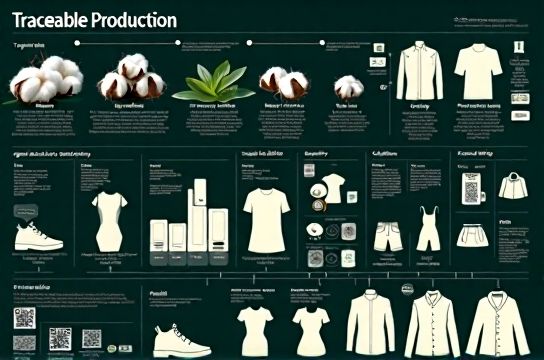
True traceability isn’t just about knowing where your cotton was grown. It’s tracking every step: fiber sourcing, spinning, dyeing, cutting, sewing, and shipping. The best systems even use blockchain or QR codes so you can scan your tag and see your shirt’s entire journey.
Raw to Ready: A Real-World Comparison
Let’s compare two common models in the industry:
| Process Stage | Traditional Supply Chain | Fully Traceable Chain |
|---|---|---|
| Raw Material Sourcing | Unknown origin; often mixed sources | Certified organic cotton from verified farms (e.g., India, Turkey) |
| Spinning & Weaving | Multiple unverified mills | Single mill with audit reports (e.g., OEKO-TEX® certified) |
| Dyeing & Finishing | High water waste (~200 tons/ton of fabric) | Low-impact dyes, closed-loop water systems |
| Garment Assembly | Offshore factories with rare audits | Monthly social compliance checks (SA8000 standard) |
| End-to-End Tracking | Limited or none | Blockchain or RFID tags per batch |
See the difference? Brands using traceable production processes reduce environmental impact by up to 40% and improve worker conditions significantly (source: McKinsey, 2023).
How to Spot Greenwashing vs. Real Transparency
Not all ‘transparent’ brands are equal. Watch for these red flags:
- Vague terms like “ethically made” without proof
- No factory names or locations listed
- Lack of third-party certifications
On the flip side, trustworthy brands publish detailed maps, audit results, and cost breakdowns. For example, one European label shares that 32% of the retail price goes directly to fair wages — now that’s accountability.
The Bottom Line
Choosing clothing with full traceability isn’t just a trend — it’s the future. You get better quality, fewer environmental harms, and peace of mind. As regulations tighten (looking at you, EU Digital Product Passport), expect traceability to become standard, not optional.
So next time you shop, ask: Can I follow this garment’s journey from seed to stitch? If the answer’s no, maybe keep looking.