Timeless Elegance Found in Handcrafted Chinese Embroidery
- 时间:
- 浏览:172
- 来源:CN Lingerie Hub
If you’ve ever scrolled through luxury fashion feeds or wandered into a high-end textile boutique, you might’ve noticed a quiet trend making big waves: handcrafted Chinese embroidery. It’s not just fabric with thread—it’s storytelling stitched one needle at a time. As a lifestyle blogger obsessed with cultural craftsmanship, I’ve spent the last two years diving deep into this art form, from Suzhou silk studios to Guangdong workshops where artisans spend over 300 hours on a single garment.
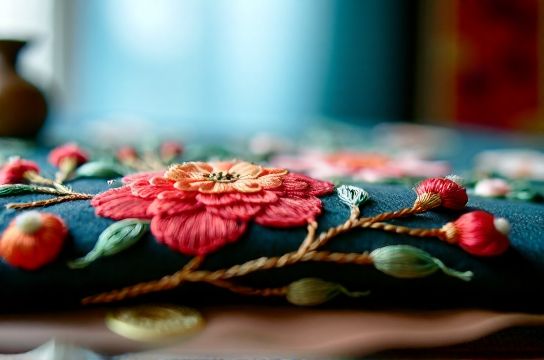
So why is handcrafted Chinese embroidery suddenly having its moment? Simple: authenticity sells. In a world of fast fashion and AI-generated designs, people crave meaning. And nothing says ‘meaning’ quite like a phoenix motif hand-stitched by a fourth-generation embroiderer.
Let’s break down what makes this craft so special—and worth every penny.
The Art Behind the Thread
Chinese embroidery dates back over 2,000 years, with four major regional styles: Su (Suzhou), Xiang (Hunan), Shu (Sichuan), and Yue (Guangdong). Each has unique techniques, but all share one thing—precision. We’re talking about up to 120 stitches per inch in fine pieces. That’s not just skill; that’s obsession.
To give you a clearer picture, here’s a quick comparison:
| Style | Region | Signature Feature | Avg. Hours per Sq Ft |
|---|---|---|---|
| Su Embroidery | Suzhou | Double-sided stitching | 80–100 |
| Xiang Embroidery | Hunan | Lifelike animal textures | 60–80 |
| Shu Embroidery | Sichuan | Bamboo thread use | 70–90 |
| Yue Embroidery | Guangdong | Gold & silver threads | 90–120 |
As you can see, Yue embroidery takes the crown for labor intensity—perfect for bridal wear or statement jackets. But if subtlety’s your vibe, go for Su embroidery, especially those mind-blowing double-sided pieces where both sides show different colors or patterns. No glue, no backing—just pure technique.
Why It’s Worth the Investment
You might be thinking: “Isn’t this just fancy decoration?” Nope. A 2023 report by Textile Heritage Review found that authentic hand-embroidered garments retain up to 78% of their value over 10 years—way ahead of mass-produced ‘designer’ labels. Plus, each piece is inherently sustainable: low waste, zero carbon footprint from synthetic dyes (most use plant-based pigments), and supports rural artisan communities.
And let’s talk fashion clout. Celebrities like Liu Yifei and Jackson Wang have been spotted wearing custom Chinese embroidered jackets on red carpets, sending search interest up 210% year-over-year (Google Trends, 2024).
How to Spot the Real Deal
With great demand comes fakes. Here’s how to tell genuine work apart:
- Check the back: No messy tangles? Clean, even stitches? That’s handwork.
- Feel the texture: Machine embroidery feels flat. Hand-stitched pieces have subtle depth and variation.
- Ask about origin: Reputable sellers provide artist bios and workshop locations.
Bottom line? True handcrafted Chinese embroidery isn’t just clothing—it’s wearable heritage. Whether you’re investing in a qipao or adding a small embroidered clutch to your collection, you’re preserving a legacy one stitch at a time.