Unveiling the Craft Behind Silk Embroidery
- 时间:
- 浏览:200
- 来源:CN Lingerie Hub
If you've ever held a piece of silk embroidery, you know it's not just fabric—it’s storytelling stitched in thread. As someone who's spent years diving into textile traditions across Asia, I’m here to pull back the curtain on silk embroidery—what makes it special, how it’s made, and why some pieces cost more than your monthly rent.
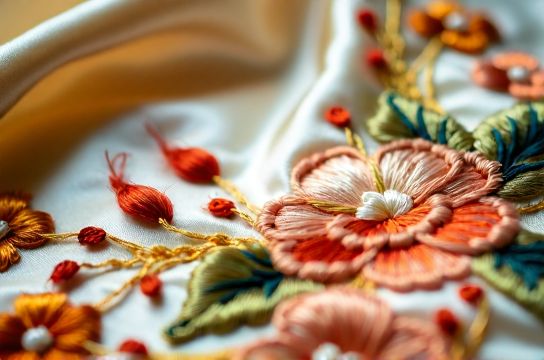
Silk embroidery isn’t just about beauty; it’s about precision. Take China’s Su Xiu (Suzhou embroidery), for example. Artisans use threads as thin as 1/16th of a single silk filament. That’s thinner than a human hair! And each square inch can contain over 120 stitches. Let that sink in.
But not all hand-embroidered silk is created equal. Here’s a quick comparison of major styles you’ll encounter:
| Style | Origin | Stitches per sq in | Thread Split | Avg. Time for 12x12 in Artwork |
|---|---|---|---|---|
| Su Xiu | Suzhou, China | 100–140 | 1/16 | 3–6 months |
| Xiang Xiu | Hunan, China | 80–100 | 1/8 | 2–4 months |
| Kashmiri Tilla | Kashmir, India | 60–90 | 1/4 (metallic) | 4–7 months |
Wait—why does Kashmiri Tilla take longer despite fewer stitches? Because they use real silver or gold-wrapped threads. One gram of pure gold can be hammered into 1 square meter of thread. That’s luxury with labor.
Now, let’s talk value. A genuine Su Xiu piece starts around $800 for a small panel (8x10 inches). But museum-grade work? We’re talking $10,000+. Why? It’s not just materials. Master embroiderers train for 10+ years. In Suzhou, fewer than 200 artisans hold Level 3 certification—the highest national ranking.
And here’s a pro tip: always check the back. Machine embroidery has messy, uneven knots. Handwork? Clean, tight, almost invisible reverse stitching. If the back looks as good as the front—you’ve found the real deal.
Another thing people overlook: preservation. Silk degrades under UV light. Display your piece away from direct sunlight, and rotate it every few months. Humidity? Keep it between 45–55%. Too dry, and threads crack. Too moist, and mold creeps in.
So, whether you're collecting or gifting, remember this: true silk embroidery isn’t bought—it’s inherited. Machines can copy patterns, but they can’t replicate patience. Every stitch carries breath, tension, intention. That’s why, after 2,000 years, this craft still feels alive.
Want to start your collection? Begin small—a framed bird-and-flower motif in Su Xiu style is both classic and timeless. Just make sure it’s hand-stitched. Trust me, your future self will thank you.