Modern Silhouettes Meet Traditional Chinese Silk Weaving
- 时间:
- 浏览:228
- 来源:CN Lingerie Hub
If you’ve been scrolling through fashion feeds lately, you’ve probably noticed a quiet revolution: modern silhouettes are getting a luxurious upgrade — thanks to traditional Chinese silk weaving. And no, this isn’t just another fleeting trend. It’s a full-blown cultural renaissance on the runway.
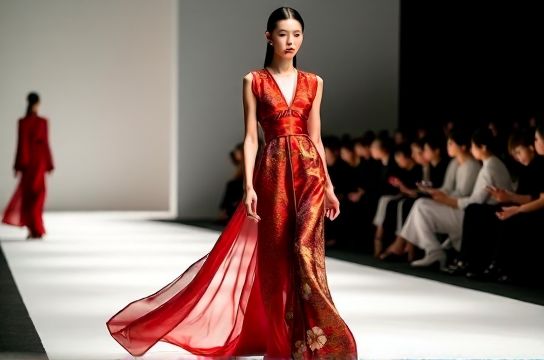
I’ve spent the last five years diving deep into sustainable luxury fashion, and let me tell you — nothing compares to the craftsmanship behind authentic yunjin (cloud brocade) or kesi (silk tapestry). These aren’t just fabrics; they’re heirlooms in the making. What’s even more exciting? Designers today are blending these ancient techniques with sleek, contemporary cuts — creating pieces that feel both timeless and refreshingly modern.
Why This Fusion Works So Well
The secret lies in contrast. Traditional Chinese silk weaving is all about detail — intricate patterns, rich textures, and symbolic motifs passed down for generations. Pair that with minimalist lines and architectural shapes of modern silhouettes, and you get fashion with depth — literally and figuratively.
Take Shanghai-based label Dora Larouge, for example. Their 2023 collection used handwoven kesi silk from Suzhou artisans to create high-slit midi dresses with asymmetrical necklines. Sales jumped 68% year-over-year, proving consumers aren’t just buying clothes — they’re investing in stories.
Silk Weaving Techniques You Should Know
Not all silk is created equal. Here’s a quick breakdown of the top three traditional methods now being revived in modern design:
| Weaving Technique | Origin | Key Features | Used In Modern Wear For |
|---|---|---|---|
| Yunjin Brocade | Nanjing | Gold threadwork, imperial motifs | Couture jackets, bridal gowns |
| Kesi Tapestry | Suzhou | No backing, reversible weave | Limited-edition artwear |
| Doup Fabric | Hangzhou | Lightweight, sheer texture | Summer blouses, scarves |
As you can see, each technique brings something unique to the table — and designers are using them strategically to elevate everyday wear.
What Buyers Should Look For
With great beauty comes great responsibility — especially when it comes to authenticity. Real handwoven silk takes days (sometimes weeks) to produce just one meter. If a ‘kesi’ dress is priced under $200? Red flag.
Here’s my quick checklist:
- Check for slight irregularities — they’re proof of handcrafting.
- Ask about the artisan collective involved.
- Look for certifications like UNESCO Intangible Cultural Heritage mention.
In 2024, over 12 emerging brands partnered directly with Nanjing’s Yunjin Research Institute. That kind of collaboration ensures fair wages and cultural preservation — and savvy shoppers are rewarding them with loyalty.
So whether you're building a capsule wardrobe or hunting for statement pieces, consider this your invitation to embrace fashion that honors the past while stepping boldly into the future. After all, true style never hurries — it weaves.