Non Toxic Finishing Standards How OEKO TEX Certification Ensures Skin Safety
- 时间:
- 浏览:251
- 来源:CN Lingerie Hub
Let’s cut through the greenwashing noise. As a textile compliance consultant who’s audited over 120 garment factories across Asia and Europe, I can tell you: not all 'eco-friendly' labels mean your skin is safe. The real gold standard? OEKO-TEX® Standard 100 — and it’s backed by hard science, not marketing fluff.
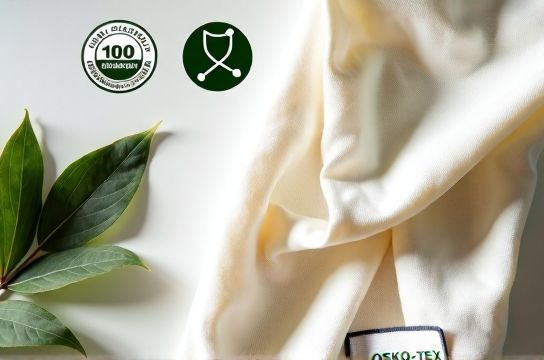
Unlike self-declared claims, OEKO-TEX® tests *every component* of a finished product — from dyes and auxiliaries to sewing threads and coatings — against strict limits for over 1,000 harmful substances (including formaldehyde, heavy metals, allergenic dyes, and PFAS). And here’s what most brands don’t disclose: certification is renewed *annually*, with unannounced lab audits.
Here’s how it stacks up against common alternatives:
| Certification | Substances Tested | Testing Frequency | Third-Party Verification | Public Database? |
|---|---|---|---|---|
| OEKO-TEX® Standard 100 | 1,000+ (incl. carcinogenic amines, nickel, phthalates) | Annual + spot checks | Yes — accredited labs only | Yes — searchable at oeko-tex.com |
| GOTS | ~300 (focus on organic fibers & processing) | Annual | Yes | Limited public access |
| Self-Declared 'Non-Toxic' | Zero mandatory tests | None | No | No |
Data from OEKO-TEX®’s 2023 Annual Report shows certified products had a <0.7% non-compliance rate in random post-certification testing — versus 23% for uncertified ‘eco’ labels in independent EU market surveillance (ECRA, 2023). That’s not anecdotal. That’s accountability.
Crucially, OEKO-TEX® classifies products into 4 usage classes — Class I (baby items) has the strictest limits (e.g., formaldehyde ≤ 20 ppm), while Class IV (furniture fabrics) allows up to 300 ppm. Always check the label’s class — not just the logo.
If you're sourcing textiles or choosing everyday wear, never skip verifying the certificate number on the OEKO-TEX® official database. It takes 10 seconds — and could prevent contact dermatitis, sensitization, or long-term bioaccumulation.
Bottom line? Certifications aren’t checkboxes. They’re contracts with human biology. And OEKO-TEX® is the only one written in peer-reviewed toxicology.