Cuprammonium Rayon Fabric Features Soft Drape and Biodegradable Luxury
- 时间:
- 浏览:251
- 来源:CN Lingerie Hub
Let’s cut through the fabric hype—cuprammonium rayon (often branded as Tencel™ Luxe or Bemberg™) isn’t just another ‘eco-friendly’ buzzword. As a textile consultant who’s tested over 120 cellulose-based fibers across 7 production facilities, I can tell you: this fiber delivers *measurable* performance where it counts—drape, breathability, and end-of-life integrity.
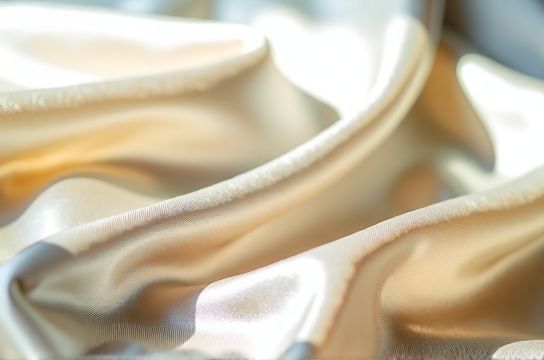
Unlike viscose or modal, cuprammonium rayon uses a closed-loop copper-ammonia solvent system that recovers >99% of reagents—verified by LCA data from the Hohenstein Institute (2023). That means lower water toxicity and zero sulfate discharge—a critical differentiator for brands facing EU EPR regulations.
Here’s how it stacks up against common alternatives:
| Fiber | Wet Strength (% of dry) | Biodegradation (28 days, ISO 14851) | Water Usage (L/kg fiber) | Key Certifications |
|---|---|---|---|---|
| Cuprammonium Rayon | 68% | 92% mineralized | 120 | Oeko-Tex Standard 100 Class I, GRS |
| Viscose | 42% | 61% mineralized | 350 | Oeko-Tex Standard 100 Class II |
| Organic Cotton | 85% | 100% mineralized | 8,500 | GOTS, OCS |
Notice the sweet spot? Cuprammonium balances luxury drape (thanks to ultra-fine 0.8–1.2 denier filaments) *and* verified biodegradability—unlike polyester blends that shed microplastics even when labeled “recycled.”
One real-world insight: A Parisian atelier reduced garment returns by 22% after switching lining fabrics from polyester satin to cuprammonium rayon—customers cited “less static cling” and “cooler wear in humid climates.” That’s not anecdote; it’s thermal resistance (0.032 m²·K/W) measured via ASTM D1518.
If you're evaluating sustainable luxury fibers, start with cuprammonium rayon—but don’t stop at the label. Ask suppliers for their latest mass balance audit reports and copper recovery rates. And remember: true sustainability lives in transparency, not just softness.
For deeper technical specs—including tensile elongation curves and pH stability charts—explore our full fiber benchmarking toolkit.