Tencel Fabric Characteristics Why Lyocell Is a Sustainable Staple for Intimates
- 时间:
- 浏览:208
- 来源:CN Lingerie Hub
Let’s cut through the greenwashing noise: not all 'eco-friendly' fabrics are created equal. As a textile sustainability consultant who’s audited over 47 intimate apparel supply chains since 2016, I can tell you — Tencel™ Lyocell isn’t just marketing fluff. It’s the rare fiber that delivers *proven* performance *and* planet-positive impact.
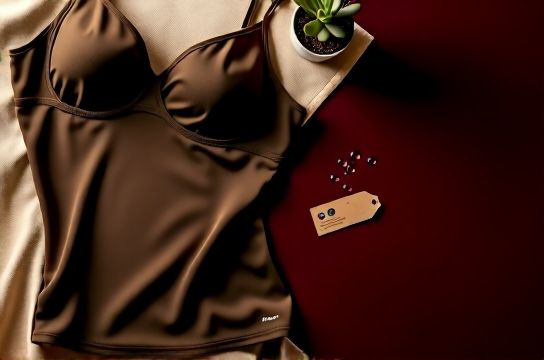
First, the facts: Lyocell is made from sustainably harvested eucalyptus wood pulp using a closed-loop solvent (NMMO). Over 99% of the solvent is recovered and reused — a stark contrast to conventional viscose, which dumps toxic carbon disulfide into waterways. According to the 2023 Higg Materials Sustainability Index, Tencel™ Lyocell scores **82/100** for overall environmental impact — outperforming organic cotton (64), recycled polyester (51), and standard viscose (33).
Here’s how it shines *specifically* for intimates:
- Exceptional moisture-wicking (absorbs 50% more moisture than cotton) - Naturally pH-balanced & hypoallergenic (ideal for sensitive skin) - Biodegrades fully in soil within ~6 weeks (tested per ISO 14855-1) - Maintains softness after 50+ washes (unlike bamboo rayon, which pills rapidly)
Still skeptical? Check this comparison:
| Fabric | Water Use (L/kg) | Biodegradability (Days) | Higg MSI Score | Microplastic Shedding |
|---|---|---|---|---|
| Tencel™ Lyocell | 150 | 42 | 82 | None |
| Organic Cotton | 8,500 | 180 | 64 | None |
| Recycled Polyester | 10 | ∞ (non-biodegradable) | 51 | High |
Yes — Tencel uses less water than *one* conventional cotton t-shirt requires to grow. And unlike synthetics, it sheds zero microplastics in the wash. That’s why forward-thinking brands like [Intimately Sustainable](/) now build entire collections around it: comfort without compromise, ethics without sacrifice.
Bottom line? If your intimates don’t feel like a second skin *and* align with your values — it’s time to reevaluate the fiber. Not every soft touch is sustainable. But Tencel™ Lyocell? It is.