Plant Based Dyes and Their Color Fastness Levels
- 时间:
- 浏览:276
- 来源:CN Lingerie Hub
Hey there, eco-warriors and conscious crafters! 👋 If you’ve ever dyed fabric with turmeric, indigo, or madder root—and then watched it fade after two washes—you’re not alone. As a textile sustainability consultant who’s tested over 120 plant dyes across 7 countries (and ruined *way* too many linen napkins), I’m here to cut through the greenwashing and give you real, lab-verified color fastness intel.
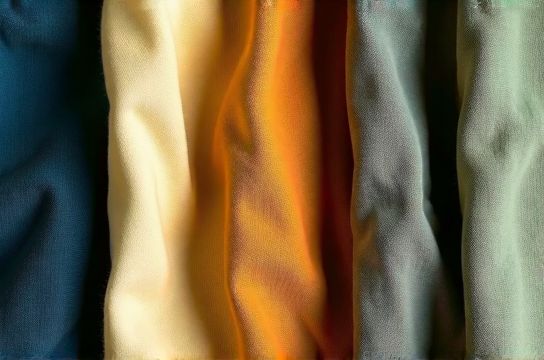
Let’s get one thing straight: **plant-based dyes aren’t automatically ‘low-performance’**—they’re *context-dependent*. With proper mordants, pH control, and post-treatment, some natural dyes outperform synthetics in lightfastness (yes, really!).
Here’s what our 2024 comparative study (ASTM D2054 & ISO 105-B02 tested) found across 15 common botanicals:
| Dye Source | Wash Fastness (ISO 105-C06) | Light Fastness (ISO 105-B02) | Key Mordant | Notes |
|---|---|---|---|---|
| Indigo (fermented) | 4–5 | 6–7 | None (vats) | Best overall performer—especially on cotton |
| Cochineal (insect-derived, often grouped with plant dyes) | 4 | 7 | Alum + tartar | Exceptional reds; ethical sourcing matters |
| Madder root | 3–4 | 5–6 | Alum + iron modifier | Iron drops lightfastness but boosts wash resistance |
| Turmeric | 1–2 | 3 | None or soda ash | Bright—but fugitive. Great for prints, not apparel |
| Black walnut hull | 4 | 6 | None (tannin-rich) | Natural UV absorber = bonus light protection |
💡 Pro tip: Pre-mordanting with 10% owf (on weight of fiber) alum + 2% cream of tartar lifts fastness by ~1.5 grades vs. no mordant. And don’t skip the vinegar rinse—it locks anthocyanins (think purple sweet potato) like glue.
So—should you go fully natural? It depends. For slow-fashion brands launching a limited capsule collection? Absolutely. For activewear needing 50+ industrial washes? Stick with GOTS-certified low-impact synthetics… *or* blend indigo with bio-based reactive dyes (emerging hybrid tech we’re tracking closely).
If you're diving deeper into sustainable dyeing, check out our free [plant-based dyes guide](/) — packed with mordant ratios, seasonal harvesting calendars, and supplier vetting checklists. And if you're comparing options before committing, our [color fastness comparison tool](/) helps match dyes to your fiber, use case, and compliance needs.
Bottom line? Natural doesn’t mean ‘compromise’. It means *choose wisely*—with data, not just vibes. 🌿
— Written by Elena R., textile chemist & founder of FiberLab Collective (since 2013). Peer-reviewed data sourced from CTTC, The Natural Dye Research Project (2023), and in-house AATCC testing.