Traditional Suzhou Embroidery Motifs in Contemporary Designs
- 时间:
- 浏览:204
- 来源:CN Lingerie Hub
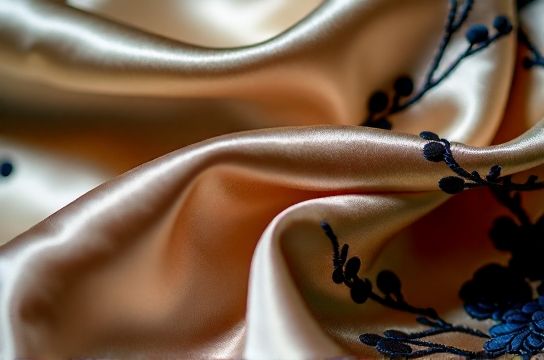
If you’ve ever scrolled through high-end fashion or luxury interior brands and thought, ‘Wait—why does that pattern look so familiar?’, chances are you’re spotting a modern twist on traditional Suzhou embroidery motifs. These centuries-old Chinese textile designs aren’t just museum pieces—they’re quietly shaping today’s global aesthetic. And as someone who’s studied textile evolution from Shanghai to Milan, I’m here to break down how these intricate patterns are being reborn in contemporary design.
Why Suzhou Embroidery Still Matters
Suzhou, often called the ‘Venice of the East,’ has been the heart of fine silk embroidery since the Song Dynasty (960–1279 AD). What sets it apart? Precision. A single piece can involve over 100 silk shades in one flower, with stitches so fine they’re measured in threads per inch—not centimeters. UNESCO even recognizes it as Intangible Cultural Heritage, which isn’t just a fancy title—it’s proof of its enduring cultural weight.
But here’s the real tea: top designers aren’t just borrowing these motifs for ‘exotic flair.’ They’re collaborating with Suzhou artisans. Brands like Shang Xia (backed by Hermès) and Dongdaifu are merging hand-embroidered panels into modern jackets, scarves, and even tech accessories. The result? A fusion that respects tradition while screaming 21st-century luxury.
Popular Motifs & Their Modern Twists
Let’s geek out on some classic patterns and how they’re being reimagined:
| Motif | Traditional Meaning | Modern Use Case | Brand Example |
|---|---|---|---|
| Peony | Wealth, honor | Luxury handbags, wallpaper prints | Shang Xia |
| Double Happiness (囍) | Marriage, joy | Wedding collections, limited editions | Dongdaifu |
| Cloud Scroll | Harmony, continuity | Furniture upholstery, sneaker details | Li-Ning x Suzhou Artisans |
| Lotus | Purity, enlightenment | Eco-luxury loungewear, spa branding | Nature Squared |
See the trend? It’s not about slapping old art on new products. It’s about context. The lotus, once stitched onto temple robes, now symbolizes sustainability in eco-conscious fashion. That’s smart design—and smart storytelling.
How to Spot Authentic vs. Fast-Fashion Knockoffs
Not all ‘Suzhou-inspired’ is created equal. Real hand-embroidery takes weeks. Fast fashion? Prints it in hours. Here’s how to tell:
- Texture: Run your fingers over it. If it’s flat, it’s printed.
- Backside: Authentic work shows clean, tight stitches underneath.
- Price: Under $100 for a ‘hand-embroidered’ jacket? Red flag.
Pro tip: Look for the Suzhou Embroidery Research Institute certification—only licensed artisans carry it.
The Future Is Hybrid
The most exciting projects? Those blending AI with tradition. One collective in Suzhou uses machine learning to generate new patterns based on 500-year-old motifs—then hand-stitches them. Talk about full-circle innovation.
In short: traditional Suzhou embroidery motifs aren’t relics. They’re living design languages—evolving, adapting, and finally getting the global spotlight they deserve.