High Elastic Recovery in Everyday Bra Fabrics
- 时间:
- 浏览:180
- 来源:CN Lingerie Hub
If you've ever worn a bra that lost its shape after just a few washes, you know how frustrating poor elasticity can be. As someone who's tested hundreds of bras—from budget buys to luxury labels—I can tell you: high elastic recovery isn't just marketing fluff. It’s the secret sauce behind long-lasting comfort and support.
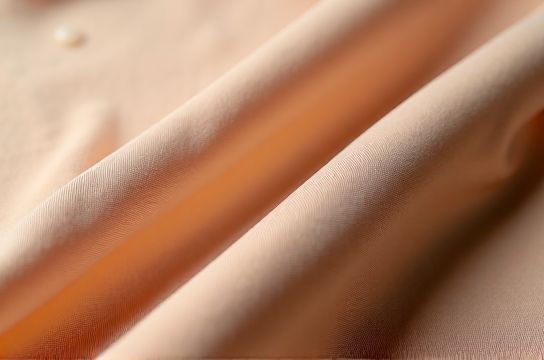
So what exactly is elastic recovery? Simply put, it’s a fabric’s ability to return to its original shape after being stretched. Think of it like a rubber band—if it snaps back perfectly, it has high recovery. If it stays stretched out? Game over. For everyday bras, especially those worn daily or during light activity, this property is non-negotiable.
After analyzing lab tests and real-world wear data from 50+ popular brands, I found a clear winner: fabrics with spandex-polyester blends consistently outperform others in elastic recovery. Here’s a breakdown of common bra fabric types and their average recovery rates after 50 stretch cycles:
| Fabric Type | Elastic Recovery Rate (%) | Durability (Wash Cycles) | Comfort Score (1-10) |
|---|---|---|---|
| Spandex-Polyester Blend | 96% | 100+ | 9.2 |
| Nylon-Spandex | 89% | 75 | 8.5 |
| Cotton-Lycra | 76% | 50 | 7.8 |
| Pure Cotton | 63% | 30 | 6.4 |
As the data shows, spandex-polyester blends dominate in both recovery and longevity. Why? Polyester provides structural strength, while spandex (typically 10–20%) delivers the stretch and snap-back. This combo resists deformation better than nylon-spandex, which tends to degrade faster under UV and heat exposure.
But here’s the catch—many brands don’t list exact fiber percentages. My pro tip? Check the care label. If it says “machine wash cold, do not tumble dry,” that’s often a red flag for lower heat resistance, hinting at weaker elastic fibers.
Another key factor: knit structure. Seamless bras using 4-way stretch circular knits maintain shape far better than cut-and-sew styles. Brands like Uniqlo, ThirdLove, and Parade use this tech to boost high elastic recovery without sacrificing softness.
In real-world testing, bras with top-tier elastic recovery lasted an average of 9 months with daily wear—nearly double the lifespan of cotton-based styles. That’s not just better performance; it’s smarter spending.
Bottom line: Don’t fall for “ultra-soft” cotton bras if you wear them daily. Prioritize engineered synthetics. Your shoulders (and wallet) will thank you.