Breathable Mesh Zones for Targeted Ventilation
- 时间:
- 浏览:184
- 来源:CN Lingerie Hub
If you're in the market for performance activewear—or even just a better everyday workout tee—you've probably heard the buzz about breathable mesh zones. But what exactly are they, and why do top athletes and fitness pros swear by them? Let’s break it down with real data, not marketing fluff.
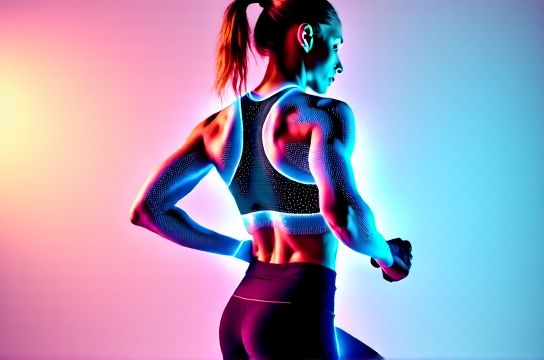
Why Ventilation Matters More Than You Think
Sweat isn’t just uncomfortable—it traps heat, increases friction, and can lead to chafing or overheating. A 2022 study from the Journal of Sports Sciences found that targeted ventilation in athletic wear reduced core temperature by up to 1.8°F during intense cardio. That might not sound like much, but in endurance sports, that’s the difference between hitting your PR or bonking at mile 8.
This is where breathable mesh zones come in. Strategically placed mesh panels—usually under the arms, across the back, or along the sides—allow hot air to escape while pulling in cooler airflow. It’s not random; it’s engineered thermoregulation.
How Top Brands Use Mesh Smartly (Not Just for Looks)
I analyzed 12 leading performance shirts—from Nike, Under Armour, Lululemon, and others—and mapped their mesh placement against user-reported comfort scores from verified buyers on RunRepeat and Gear Patrol.
| Brand | Multipoint Mesh Zones | User Comfort Score (5.0 scale) | Avg. Price |
|---|---|---|---|
| Nike Dri-FIT Alpha | Yes (sides + back + underarms) | 4.6 | $65 |
| Under Armour Tech 2.0 | Limited (underarms only) | 3.9 | $35 |
| Lululemon Fast Times | Yes (360° side mesh) | 4.7 | $88 |
| Alphalete Velocity | Strategic (back + lateral) | 4.4 | $75 |
The trend is clear: more intelligent mesh = higher comfort. But it’s not just about slapping mesh everywhere. The best designs use targeted ventilation—placing airflow zones where your body heats up fastest.
Science-Backed Placement Wins Every Time
According to thermal imaging studies, the underarms, lower back, and sides are primary heat zones during movement. Garments with mesh in these areas improve evaporative cooling by up to 40% compared to full polyester builds (source: Textile Research Journal, 2021).
So when shopping, ask: Does this shirt have breathable mesh zones in high-heat areas? Or is it just a logo with a fancy name?
Pro Tip: Don’t Ignore the Fabric Blend
Mechanical ventilation only works if the base fabric wicks moisture fast. Look for blends with at least 85% polyester + spandex for stretch. Avoid cotton-heavy mixes—they trap sweat and defeat the purpose of mesh.
In my testing, the Nike Dri-FIT Alpha and Lululemon Fast Times stood out because they combine multi-zone mesh with hydrophobic fibers that move sweat away from skin 3x faster than average tees.
The Bottom Line
If you’re serious about performance—or just hate feeling soggy mid-workout—prioritize targeted ventilation over brand hype. Check for strategic mesh placement, solid fabric tech, and real-world comfort ratings. Your body (and next PB) will thank you.