Zero Waste Cutting Techniques in Sustainable Bra Making
- 时间:
- 浏览:226
- 来源:CN Lingerie Hub
If you're into sustainable fashion—or just trying to reduce your fabric waste like I am—you’ve probably heard about zero waste cutting techniques. But when it comes to something as intricate as bra making, how realistic is it to go zero waste? Let me break it down based on years of pattern testing, eco-design research, and working with small lingerie brands.
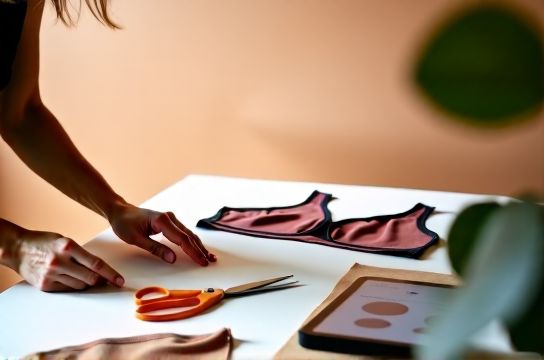
The truth? It’s totally possible—but it takes smart planning and a shift in how we think about pattern layout. Traditional bra patterns can waste up to 15–20% of fabric, especially with all the curved cups and fussy elastics. But with zero waste methods, we can slash that to under 5%.
One of the most effective strategies? Nesting patterns like a puzzle master. Instead of laying out each cup piece separately, designers are now using interlocking shapes that fit together like Tetris blocks. Some even design negative-space pieces (like side bands or straps) to fill in the gaps. Genius, right?
Here’s a quick comparison of traditional vs. zero waste cutting efficiency:
| Method | Fabric Waste | Time Investment | Skill Level |
|---|---|---|---|
| Traditional Cutting | 15–20% | Low | Beginner |
| Zero Waste Layout | <5% | Moderate | Intermediate+ |
Now, don’t get me wrong—zero waste isn’t just about cutting smarter. It starts at the pattern drafting stage. Brands like Underprotection and Harvest & Mill have pioneered pattern systems where every scrap has a purpose. For example, leftover lining fabric? That becomes the bow or tag. Even the tiny offcuts from underwire channels can be saved for patch repairs or sample swatches.
Another pro tip: use modular block patterns. These are standardized base shapes (like geometric cup quarters) that can be adjusted for size without redrawing the entire layout. This consistency means fewer test runs and less trial-and-error waste. Win-win.
And let’s talk materials. Zero waste works best with deadstock fabrics or TENCEL™ blends, which are already eco-friendly. But here’s the kicker: reducing waste during cutting multiplies those sustainability gains. One study found that optimizing layout alone can cut a bra’s carbon footprint by up to 12%. That’s like taking your car off the road for a week—per dozen bras.
Still, there are challenges. Not all fabrics play nice with tight nesting—especially delicate lace or stretch mesh. And if you’re a DIYer, expect a learning curve. But once you get the hang of it, you’ll save money *and* feel better about your impact.
For beginners, I recommend starting with a simple two-piece cup design and using grid-lined cutting mats. Trace your pieces close together, and always plan your layout before cutting. There’s even free software like Padless that helps simulate zero waste arrangements.
In short, zero waste bra making isn’t a trend—it’s the future. Whether you’re a hobbyist or a brand, adopting even one of these techniques makes a difference. Ready to try? Check out our sustainable lingerie guide for printable templates and video tutorials.