CE Certification Requirements for Lingerie in EU
- 时间:
- 浏览:304
- 来源:CN Lingerie Hub
If you're selling lingerie in the EU—or planning to—you’ve probably heard about CE certification. But here’s the real tea: not all lingerie needs it. Confused? You’re not alone. As a fashion compliance blogger who’s helped over 50 brands go EU-market-ready, let me break it down with straight facts and zero fluff.
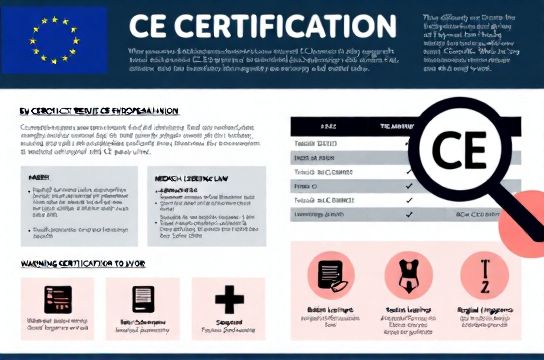
Wait—Does Lingerie Even Need CE Marking?
Short answer: No—not all of it. The CE mark mainly applies to products with safety implications, like toys, electronics, or personal protective equipment. Most standard lingerie (bras, panties, slips) falls under general textile regulations, not CE certification.
But—and this is a big but—certain functional lingerie might need it. Think shapewear that claims medical benefits (like posture correction or post-surgery support). If your product makes health or safety claims, it could be classified as a medical device (under Regulation (EU) 2017/745), which does require CE marking.
When Does Lingerie Require CE Certification?
Here’s a quick-reference table based on EU classification guidelines:
| Lingerie Type | CE Required? | Regulation Basis |
|---|---|---|
| Standard Bras & Panties | No | Textile Regulation (REACH, EN 14682) |
| Shapewear (cosmetic only) | No | General Product Safety Directive |
| Medical Compression Garments | Yes | MDD / MDR (Class I Device) |
| Post-Surgical Support Wear | Yes | MEDDEV 2.12-1 Rev.8 |
Source: European Commission – Blue Guide on CE Marking (2023 update)
So What Certifications DO You Need?
Even without CE, you’re not off the hook. The EU enforces strict rules under REACH and the General Product Safety Directive (GPSD). Your lingerie must:
- Be free from banned substances (e.g., azo dyes, nickel)
- Comply with flammability standards (EN 14682 for children’s wear)
- Come with proper labeling (fiber content, care instructions, importer info)
Pro tip: Get an EU Responsible Person if you’re outside Europe. They’ll handle compliance, documentation, and act as your legal contact. Skipping this? That’s a fast track to customs rejection.
Avoid These 3 Common Mistakes
- Mislabeling compression wear – Calling your shapewear “doctor-recommended” without proof can trigger medical device classification.
- Ignoring size labeling laws – The EU uses standardized sizing (EN 13402). No more vague ‘S/M/L’ without metric measurements.
- Skipping third-party testing – Labs like SGS or TÜV can verify REACH compliance. Cost? Around €300–€600 per fabric type. Worth every euro.
Bottom line: Don’t assume CE certification for lingerie is mandatory. Know your product category, check your claims, and document everything. Because in the EU, it’s not just about looking good—it’s about playing by the rules.