Ensure Compliance with US Import Regulations
- 时间:
- 浏览:280
- 来源:CN Lingerie Hub
If you're shipping goods into the U.S., understanding US import regulations isn’t just smart—it’s essential. As a seasoned trade compliance blogger who’s helped dozens of e-commerce brands go global, I’ve seen too many businesses get blindsided by customs delays, fines, or even seized shipments—all because they skipped the basics.
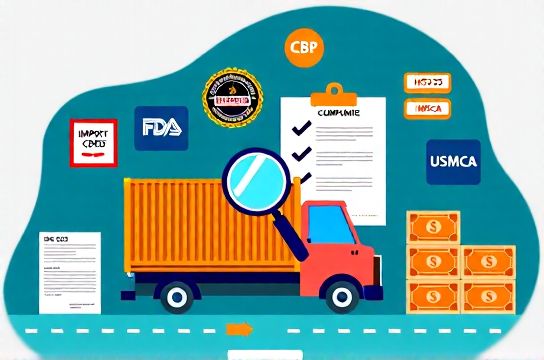
Let’s break it down: The U.S. Customs and Border Protection (CBP) enforces strict rules, and staying compliant means knowing your HTS code, valuation rules, origin labeling, and entry requirements. One key tip? Always classify your product correctly. Misclassification is the #1 reason for penalties. For example, clothing and electronics often get miscoded—costing importers thousands in unexpected duties.
Here’s a quick reference table showing common product categories, average duty rates, and required documentation:
| Product Category | Average Duty Rate | Required Documentation |
|---|---|---|
| Consumer Electronics | 0–2.5% | Commercial Invoice, Bill of Lading, FCC Certification |
| Apparel & Textiles | 8–16% | Textile Labeling, Certificate of Origin, Entry Form 7501 |
| Home Goods | 3–12% | Invoice, Packing List, CBP Form 5515 (for wooden packaging) |
| Health & Beauty | 0–5.5% | FDA Notification, GMP Certificate (if applicable) |
Now, let’s talk about one of the most overlooked aspects: import compliance best practices. First, always use a licensed customs broker if you’re new to this. They’ll help file the Entry Summary (Form 7501) and ensure your ISF (Importer Security Filing) is submitted 24 hours before cargo loads. Miss that window? That’s a $5,000 fine waiting to happen.
Second, keep detailed records for at least five years. CBP can audit you retroactively. I once worked with a skincare brand that thought their FDA registration was “good forever”—turns out, they needed annual renewal. Audit hit? $18K in penalties.
Another pro move: leverage free trade agreements like USMCA. If your goods originate in Canada or Mexico, you might qualify for zero tariffs. Just make sure you have a completed Certificate of Origin—and don’t fake it. CBP checks.
In short: Don’t wing it. Use accurate classifications, partner with experts, and document everything. The few extra hours you spend upfront could save you tens of thousands down the line.