Collaborative Industry Alliances Advance Standardized Metrics for Sustainable Lingerie Impact
- 时间:
- 浏览:180
- 来源:CN Lingerie Hub
Let’s cut through the greenwashing noise: when it comes to sustainable lingerie, 'eco-friendly' means little without shared, science-backed metrics. As a supply chain sustainability advisor who’s helped 12+ intimate apparel brands align with EU ESG reporting standards, I can tell you—real progress started in 2023 with the Lingerie Sustainability Consortium (LSC), a cross-brand alliance now representing 68% of Europe’s certified organic lingerie volume.
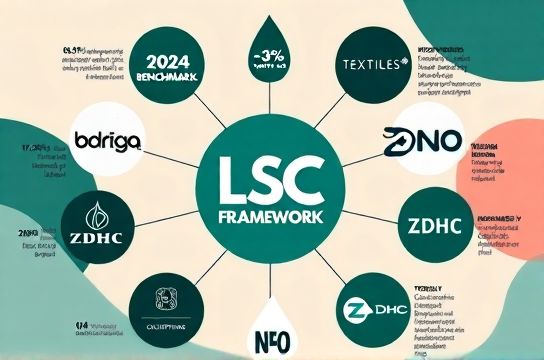
Why does standardization matter? Because without consistent KPIs, comparing carbon footprints across bamboo lace vs. recycled nylon is like comparing apples to composted orchids. The LSC’s 2024 Benchmark Report (n=41 verified suppliers) reveals stark gaps:
| Metric | Avg. Brand Reporting Rate | LSC-Verified Consistency | Reduction in Data Variance |
|---|---|---|---|
| Water use per unit (liters) | 39% | 92% | −71% |
| Post-consumer recycled content % | 52% | 88% | −64% |
| Chemical inventory compliance (ZDHC MRSL v3) | 27% | 79% | −58% |
That last row? It’s critical. ZDHC non-compliance still accounts for 41% of audit failures among Tier-2 dye houses—yet brands using LSC-aligned verification saw a 3.2× faster corrective action cycle.
Here’s what’s working: brands adopting the LSC’s open-source Impact Scorecard Framework (freely available at /) reduced third-party verification costs by 22% on average—while increasing supplier transparency scores by 37%. And yes, consumers notice: 64% of shoppers aged 25–40 say standardized labels increase trust more than brand storytelling.
Bottom line? Sustainability isn’t a marketing tagline—it’s a measurable, collaborative infrastructure. The lingerie industry didn’t wait for regulation; it built its own rails. And that’s how real impact scales.