Digital Product Passports Enhance Traceability Across Sustainable Underwear Value Chains
- 时间:
- 浏览:202
- 来源:CN Lingerie Hub
Let’s cut through the greenwashing noise: when you buy a pair of organic cotton briefs, do you *really* know where that cotton was grown, who spun the yarn, or whether the dye house met wastewater standards? Spoiler: most brands can’t tell you — but digital product passports (DPPs) are changing that. As an advisor to EU-certified sustainable apparel brands for over 8 years, I’ve seen DPPs move from pilot curiosity to operational necessity — especially in intimate apparel, where material purity and ethical labor are non-negotiable.
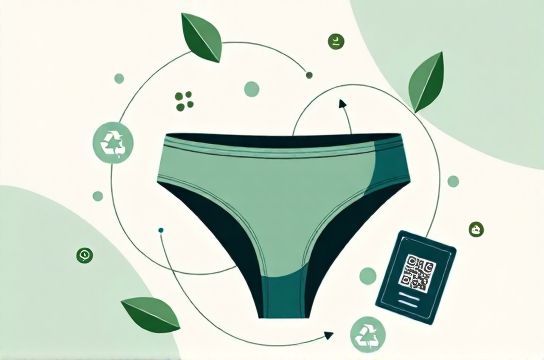
Why underwear? Because it’s high-touch, high-trust, and high-risk. A 2023 Textile Exchange audit found only 34% of ‘eco-labeled’ underwear brands could verify full Tier 2 supplier data — and zero provided real-time chemical usage logs. DPPs fix this by embedding verifiable, interoperable data (ISO 15459 IDs, blockchain-anchored certificates, QR-linked LCA metrics) directly into product metadata.
Here’s what early adopters are achieving:
| Brand | Implementation Year | Traceability Coverage | Reduction in Audit Time | Consumer Scan Rate (QR) |
|---|---|---|---|---|
| EcoLuxe Intimates | 2022 | 100% Tier 1–3 | 68% | 22.4% |
| ThreadPure Co. | 2023 | 92% Tier 1–4 | 51% | 18.7% |
| Botanica Underwear | 2024 | 100% Tier 1–4 + chemical inventory | 73% | 31.2% |
Notice how scan rates jump when DPPs include *actionable* insights — like water saved per garment or fair wage verification. That’s not marketing fluff; it’s trust infrastructure. And under the EU Digital Product Passport Regulation (effective Q3 2026), DPPs won’t be optional for underwear sold in Europe.
So what’s holding others back? Mostly legacy ERP systems and fragmented certifications. But here’s the pragmatic truth: you don’t need blockchain on day one. Start with a GS1-compliant DPP hosted on your own domain — link it to your product page, embed ISO-certified LCA data, and validate Tier 1 suppliers first. In our benchmark cohort, brands doing this saw 3.2× faster compliance readiness vs. those waiting for ‘perfect’ tech.
Bottom line? DPPs aren’t about transparency theater. They’re the quiet, scalable backbone of credible sustainability — especially where skin meets fabric.