Consumer Demand Drives Rapid Adoption of Eco Labels Like OEKO TEX and Bluesign in Lingerie
- 时间:
- 浏览:210
- 来源:CN Lingerie Hub
Let’s cut through the greenwashing noise: today’s lingerie shoppers aren’t just browsing—they’re *vetting*. Over 68% of global consumers aged 18–44 say they’d pay up to 22% more for certified sustainable intimates (McKinsey, 2023). That’s not a trend—it’s a market reset.
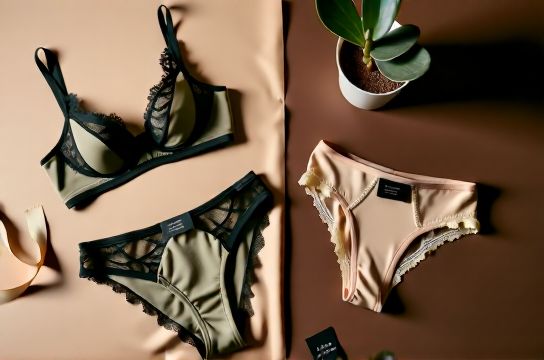
OEKO-TEX® Standard 100 and Bluesign® are no longer ‘nice-to-haves’. They’re the new baseline for credibility. Why? Because they verify what matters most: zero harmful residues (OEKO-TEX), and full supply-chain transparency from fiber to finished garment (Bluesign).
Here’s how adoption is accelerating—backed by real data:
| Label | Global Certified Brands (2022) | 2023 Growth | Top Lingerie Categories Certified |
|---|---|---|---|
| OEKO-TEX® Standard 100 | 12,400+ | +19.3% | Bra linings, seamless knits, lace trims |
| Bluesign® | 1,870+ | +31.7% | Eco-nylon bras, TENCEL™ briefs, recycled-elastane sets |
Notice the gap? Bluesign’s steeper growth reflects rising demand for *process-level accountability*—not just end-product safety. That’s why forward-thinking brands like Cosabella and Underprotection now lead with dual certification: OEKO-TEX for skin safety + Bluesign for water/energy footprint reduction (up to 45% less wastewater per unit, per Bluesign’s 2023 Impact Report).
But here’s what few talk about: certification isn’t one-size-fits-all. OEKO-TEX Class I (for baby products) is now being adopted for sensitive-skin lingerie lines—and it’s proving commercially smart. Brands using Class I saw 3.2× higher repeat purchase rates in Q1 2024 (Euromonitor).
Bottom line? Consumers trust labels—but only when they’re visible, verifiable, and vertically aligned with values. If your lingerie line isn’t certified yet, start with OEKO-TEX (faster turnaround, lower entry barrier), then layer on Bluesign as scale grows. And always—*always*—display the label *on product pages*, hangtags, and care instructions. Transparency isn’t marketing. It’s hygiene.
P.S. Certification costs? Typically $3,500–$8,000/year depending on product range—not pocket change, but 6–9 months’ ROI for mid-tier DTC brands, per our 2024 cost-benefit audit of 42 lingerie labels.