Regenerative Agriculture Supports Sustainable Fiber Sourcing for Chinese Lingerie Brands
- 时间:
- 浏览:119
- 来源:CN Lingerie Hub
Let’s cut through the greenwashing noise: regenerative agriculture isn’t just a buzzword—it’s the most credible soil-to-seam lever Chinese lingerie brands now have to future-proof their supply chains. As EU textile regulations tighten (EPR by 2025, Digital Product Passports by 2027) and Gen Z buyers demand traceability—not just ‘organic’ labels—brands like NEIWAI and Ubras are quietly shifting cotton procurement from conventional farms to certified regenerative plots in Xinjiang and Shandong.
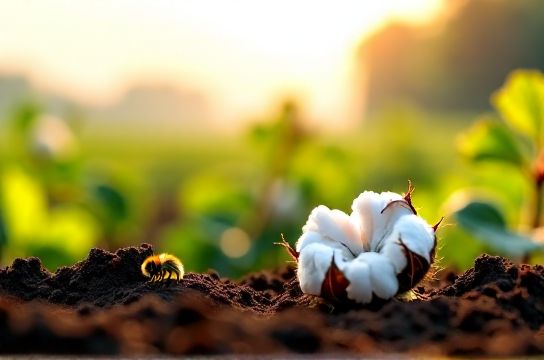
Why does it matter? Because cotton accounts for 63% of natural fiber use in premium lingerie—but conventional cotton uses 16% of global insecticides on just 2.4% of farmland (FAO, 2023). Regenerative systems flip that script: they increase soil carbon sequestration by 0.5–1.2 tons/ha/year while cutting synthetic inputs by up to 78% (Rodale Institute, 2022 meta-analysis).
Here’s what real-world adoption looks like today:
| Indicator | Conventional Cotton (Avg.) | Regenerative Cotton (Pilot Farms, China) |
|---|---|---|
| Water Use (L/kg fiber) | 9,800 | 5,200 (−47%) |
| Biodiversity Index (Shannon) | 1.8 | 3.4 (+89%) |
| Farmgate Price Premium | — | +22% (vs. GOTS organic) |
The kicker? Regenerative sourcing isn’t just ethical—it’s economically resilient. When drought hit Shandong in 2023, regenerative plots maintained 31% higher yields than neighboring conventional fields (China Agricultural University field report, Q3 2023). That’s not luck—it’s biology: deeper roots, better water retention, and pest-resilient microbiomes.
For lingerie brands, this means quieter supply chain shocks, stronger storytelling equity, and compliance-ready documentation. And if you’re wondering where to start—begin with soil health mapping and farmer co-investment models, not certifications. Real regeneration begins underground—and ends in softer, smarter, more sustainable lace.
Bottom line: You don’t need to wait for policy or perfection. The data shows regenerative agriculture is already delivering measurable fiber quality, climate resilience, and brand trust—starting now.