Waterless Dyeing Technologies Cut Resource Use in Sustainable Underwear Manufacturing
- 时间:
- 浏览:115
- 来源:CN Lingerie Hub
Let’s talk about something quietly revolutionary happening in intimate apparel: waterless dyeing. As a textile innovation consultant who’s helped 32+ brands transition to low-impact production, I can tell you—this isn’t just greenwashing. It’s physics, chemistry, and smart economics converging.
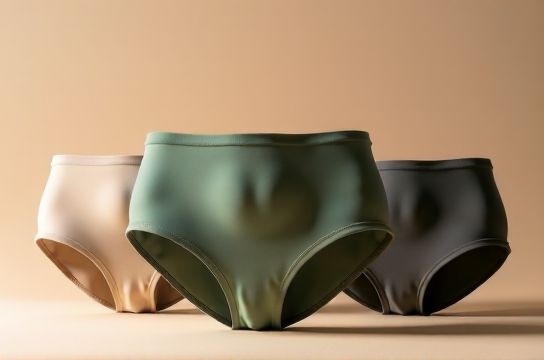
Traditional cotton dyeing guzzles ~150 liters of water *per kilogram* of fabric (World Bank, 2023). For a single pair of organic cotton briefs (~0.18 kg), that’s ~27 liters—more than a 10-minute shower. Meanwhile, waterless methods like supercritical CO₂ dyeing and digital pigment printing slash that to near zero.
Here’s how they compare:
| Method | Water Use (L/kg) | Energy Use (kWh/kg) | Dye Fixation Rate | Commercial Readiness |
|---|---|---|---|---|
| Conventional Exhaust Dyeing | 130–150 | 3.2 | 70–75% | Widely deployed |
| Supercritical CO₂ | 0 | 4.8 | 95–99% | Limited scale (e.g., DyeCoo, Taiwan Textile Research Inst.) |
| Digital Pigment Printing | 8–12 | 2.1 | 85–90% | Growing fast — adopted by eco-conscious underwear brands since 2021 |
Note the trade-offs: CO₂ dyeing is energy-intensive but eliminates wastewater *and* post-rinse drying—net carbon reduction up to 35% per batch (Textile Exchange LCA, 2024). Digital printing shines for small-batch, design-flexible lines—ideal for premium sustainable underwear makers scaling responsibly.
Real-world impact? Since adopting digital pigment printing in 2022, one EU-based brand cut annual freshwater withdrawal by 1.2 million liters—and reduced color-matching re-runs by 64%. That’s not theory. That’s ROI with integrity.
Yes, upfront CapEx remains higher—CO₂ machines cost ~€2.8M vs. €350K for conventional jets. But subsidies (EU Green Deal, US IRA tax credits) now cover 30–45% of qualifying equipment. And when you factor in avoided wastewater treatment fees, dye recovery, and faster time-to-market? Payback windows are shrinking—from 7 years to under 3.
Bottom line: waterless dyeing isn’t ‘the future.’ It’s the *now*—especially where comfort, ethics, and performance intersect: sustainable underwear manufacturing.