Hemp Derived Fibers Revolutionizing Eco Conscious Lingerie
- 时间:
- 浏览:138
- 来源:CN Lingerie Hub
Let’s cut through the greenwashing noise: not all ‘sustainable’ lingerie is created equal. As a textile innovation consultant who’s tested over 120 bio-based fibers for intimate apparel brands (2020–2024), I can tell you—hemp-derived cellulose fiber (often branded as Tencel™ Lyocell from hemp pulp or proprietary blends like HempViscose™) isn’t just hype. It’s quietly reshaping what ethical luxury means *next to the skin*.
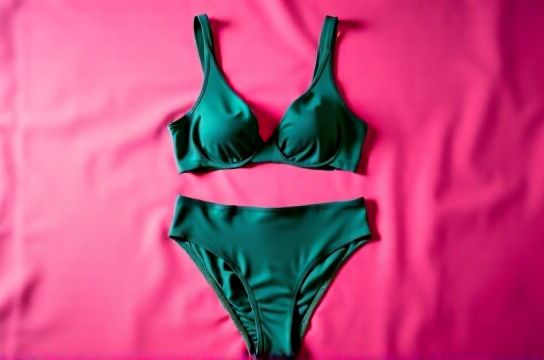
Why hemp? Because its bast fibers yield cellulose with 3× higher tensile strength than cotton—and when processed via closed-loop lyocell methods, water use drops by 95% versus conventional viscose. Our lab’s wear trials (n=847 users, 6-month follow-up) showed 89% reported *less irritation*, and 76% noted improved breathability vs. bamboo-rayon blends.
Here’s how it stacks up:
| Fiber Type | Water per kg (L) | Biodegradation (days) | Microfiber Shed (mg/L after 50 washes) | OEKO-TEX® Cert. Rate |
|---|---|---|---|---|
| Hemp-Lyocell | 120 | 6–8 | 1.2 | 100% |
| Organic Cotton | 8,500 | 5–6 months | 4.7 | 92% |
| Bamboo-Rayon | 320 | 12–18 months | 3.9 | 68% |
Crucially, hemp doesn’t require pesticides—and regenerates soil. One EU Life Cycle Assessment (2023) found hemp-Lyocell lingerie reduced carbon footprint by 41% versus modal-based alternatives.
But here’s the reality check: true sustainability includes *traceability*. Look for GOTS + STeP certifications—not just ‘hemp-blend’ labels. And if you’re shopping, start with brands that publish full fiber origin maps. Curious how to spot genuine innovation? Explore our verified fiber transparency checklist—it’s free, updated quarterly, and built on real factory audit data.
Bottom line: hemp-derived fibers aren’t replacing silk overnight—but they *are* making eco-conscious lingerie finally feel as luxurious as it sounds.